

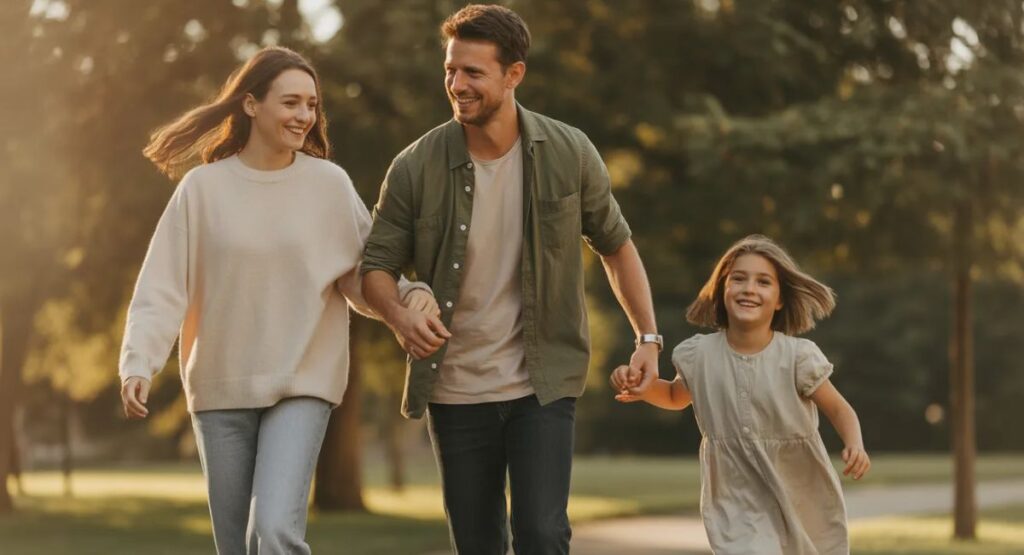
Learning how to pose for pictures can completely change the way your photos look and feel. Many people think posing is about standing perfectly still or copying stiff fashion poses, but in reality, natural photography is about movement, comfort, and expression. When you understand how to pose, your photos instantly become more relaxed, emotional, and visually appealing.
This beginner guide will help you master how to pose for photos in a simple and practical way. You will learn natural body positioning, simple couple interactions, and even how to photograph children in a way that captures real personality instead of forced expressions. These techniques also help you understand how to take better photos without needing professional modeling skills.
1. Why Learning How to Pose for Pictures Matters
Understanding how to pose for pictures is important because even the best camera cannot fix stiff or unnatural body language. Posing is not about perfection. It is about creating movement and emotion that feels real.
When people feel awkward in front of the camera, it usually shows in their shoulders, hands, and facial expressions. However, once you understand basic posing techniques, your confidence increases and your photos naturally improve. This is especially helpful for family photo outfits sessions where multiple people need to look connected and natural together.
2. Simple Rules for Natural Posing
The foundation of how to pose for photos is simplicity. You do not need complicated positions. Instead, focus on small adjustments that make a big difference.
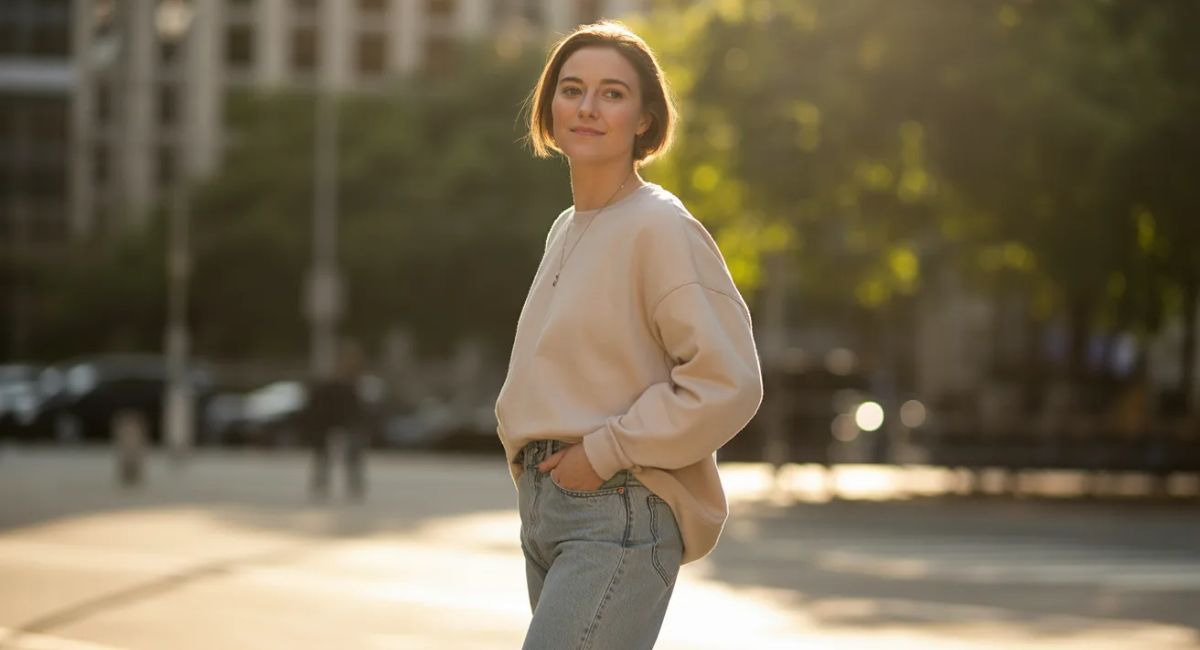
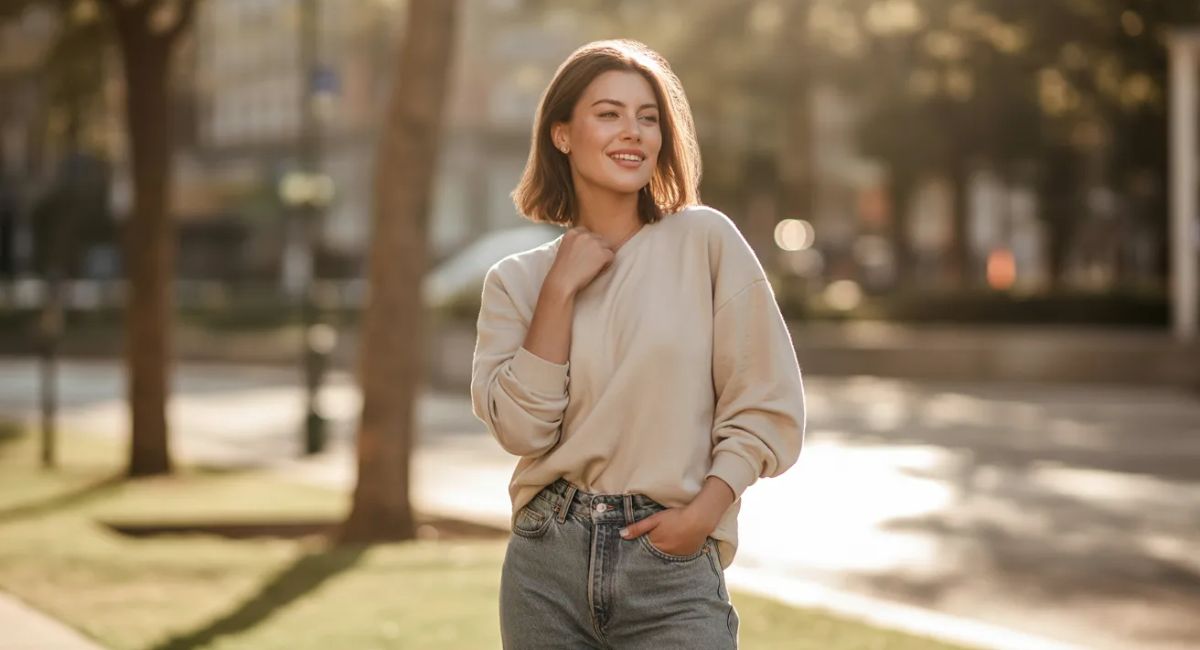
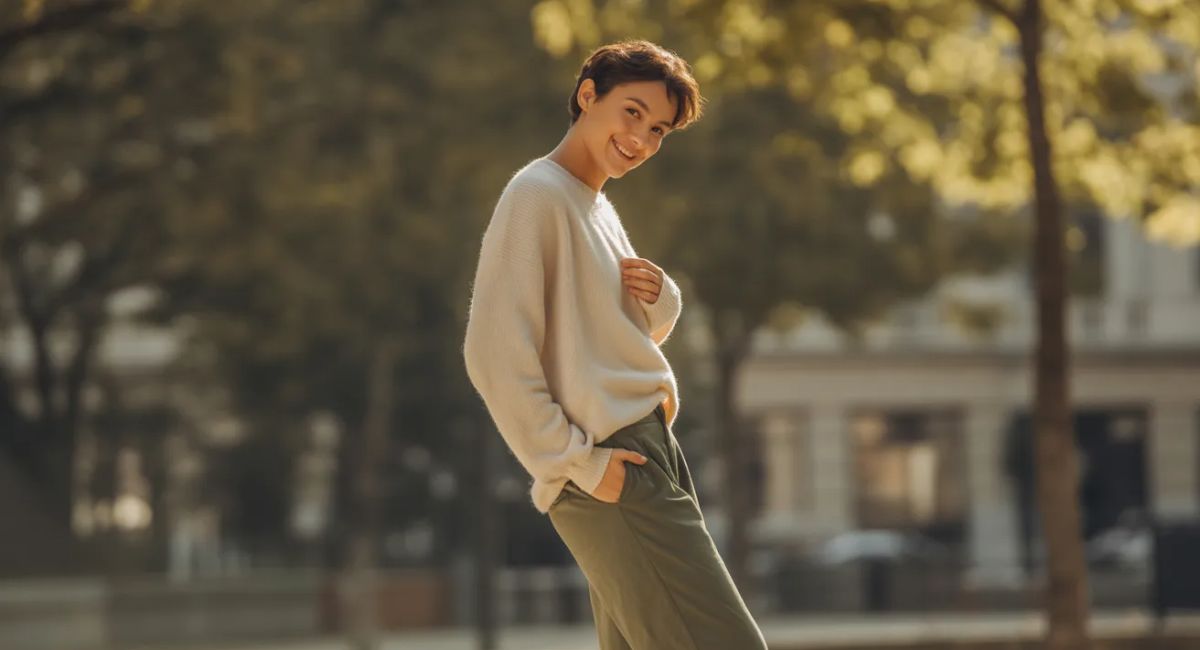
Keep your body slightly angled instead of facing the camera directly. This creates depth and makes your body look more natural. Relax your shoulders and avoid stiff arms. Small movements like shifting weight to one leg can instantly improve your posture.
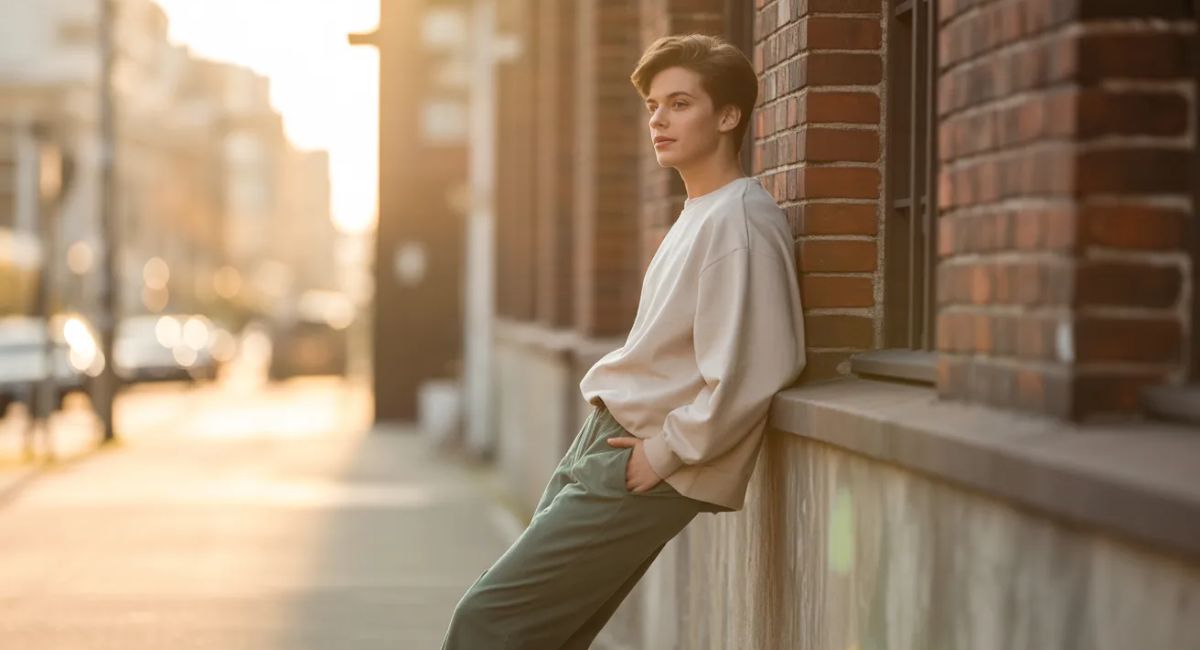
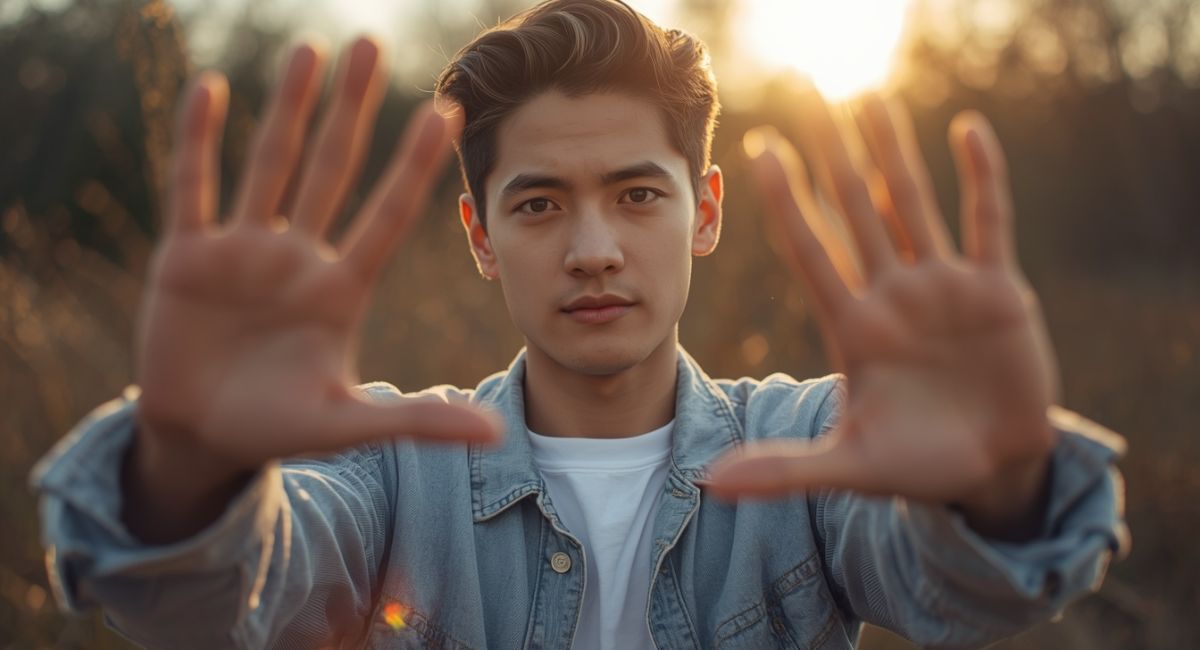
Hands should never feel frozen. You can place them in pockets, gently hold an accessory, or let them move naturally. This simple approach is the easiest way to learn how to pose for pictures without overthinking.
3. Simple Couple Photo Pose Ideas
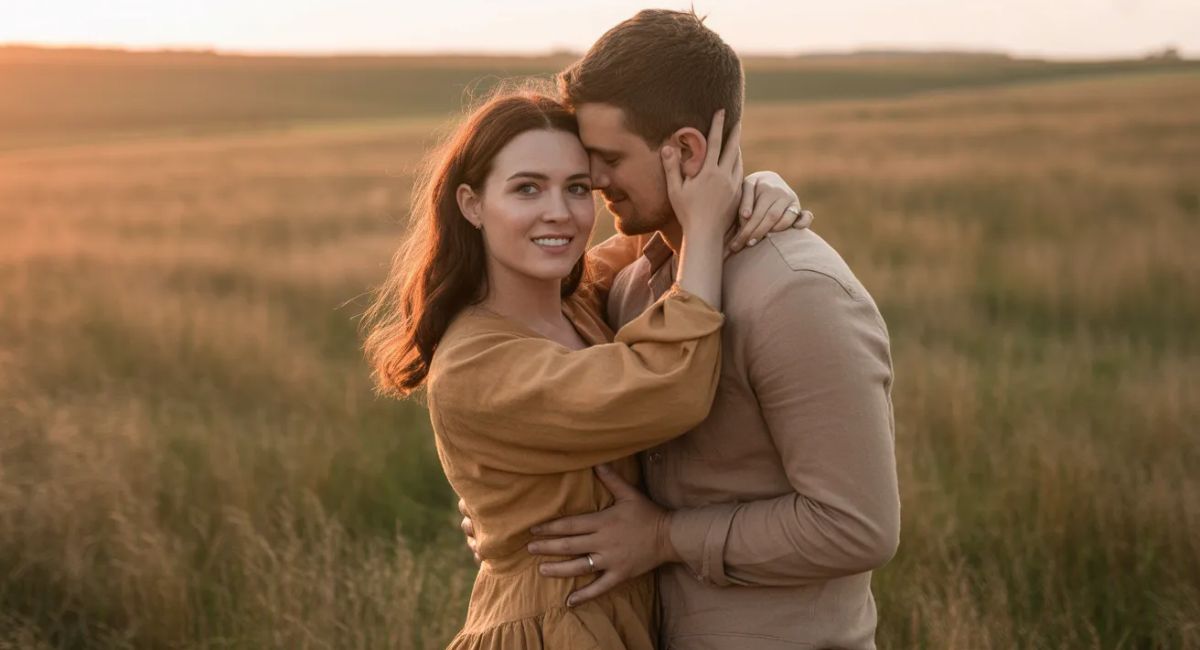
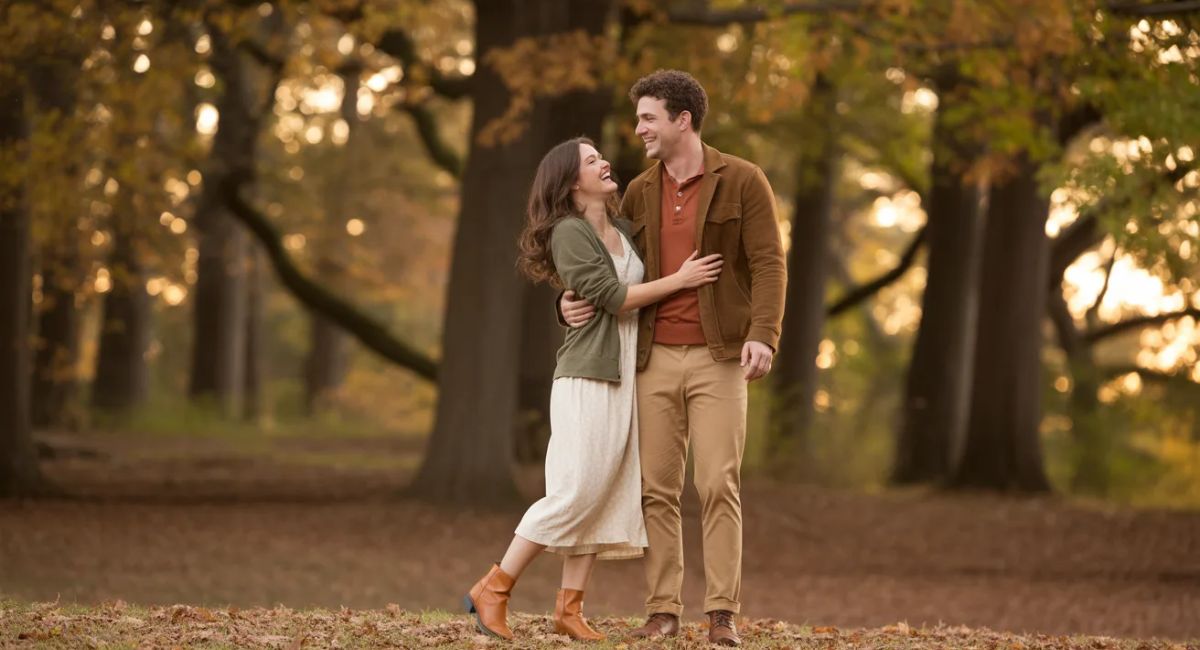
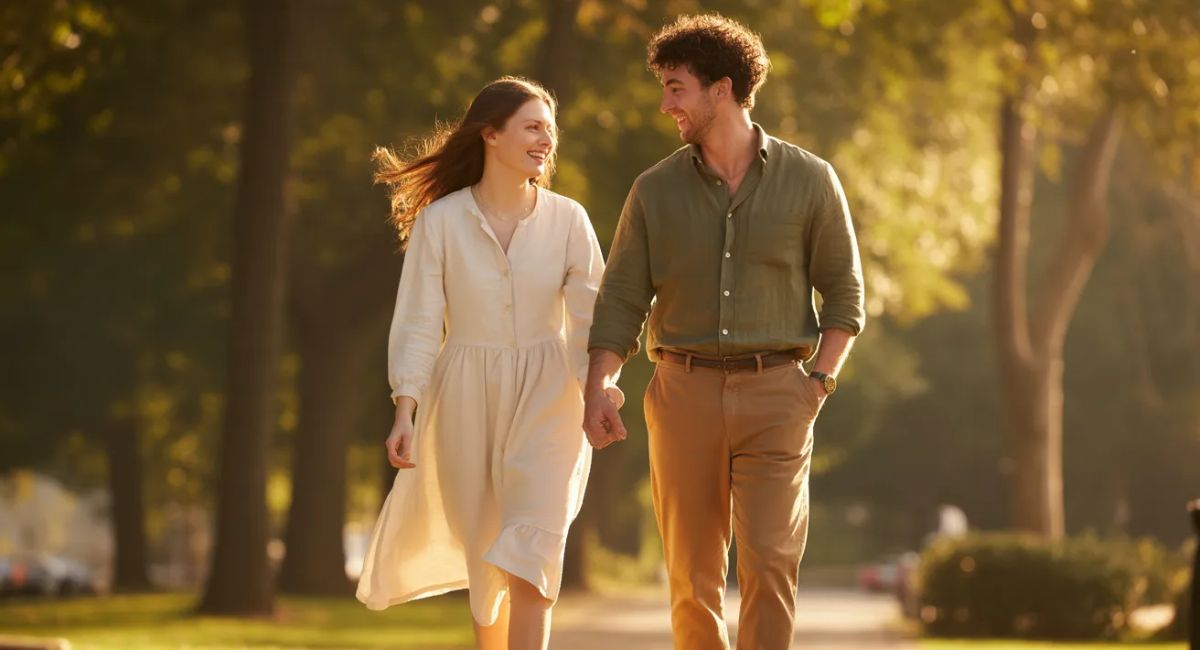
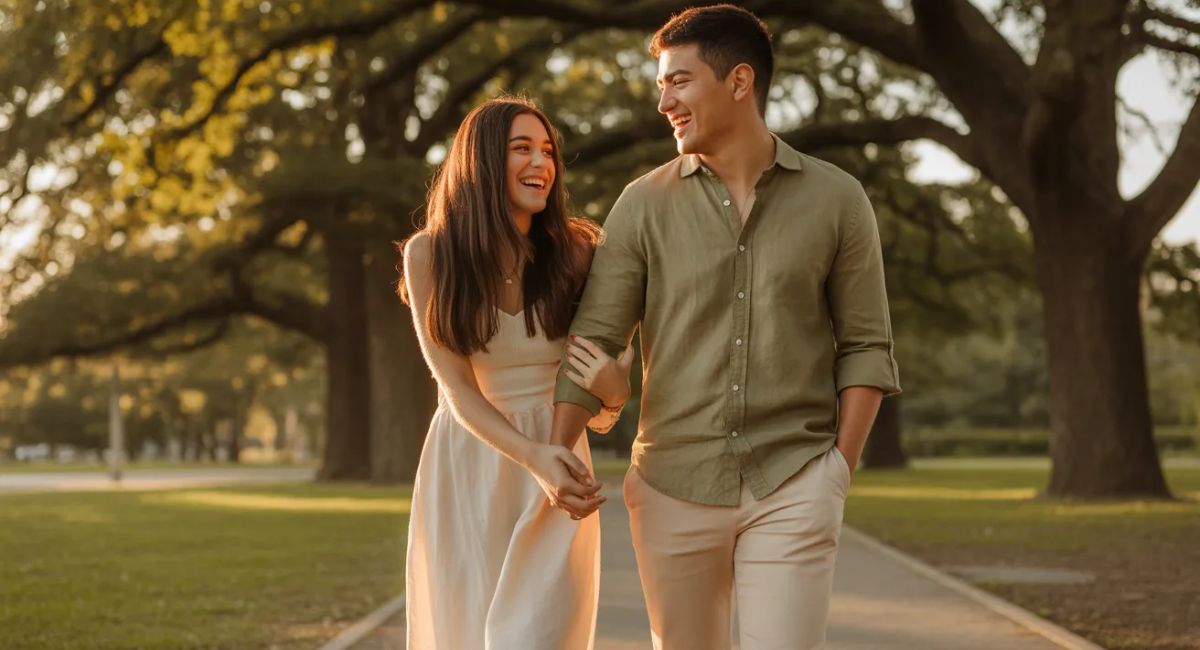
When it comes to simple couple photo pose ideas, the goal is to show connection instead of perfection. Couples do not need to stand in rigid positions. Instead, focus on interaction and movement.
Walking hand in hand, leaning slightly toward each other, or sharing a natural laugh creates emotional depth. Looking at each other instead of the camera often produces more meaningful results in how to pose for pictures sessions.
Small gestures like forehead touches or holding hands loosely can make how to pose for photos feel effortless and romantic. These moments feel real because they are based on natural connection rather than staged posing.
For more styling inspiration, you can also explore Engagement Photo Outfits: Stunning Couples Guide for Picture-Perfect Memories where posing and outfits work together for better results.
4. How to Pose for Pictures Alone (Beginner Tips)
Solo posing is often where people struggle the most. The key to mastering how to pose for pictures alone is movement. Standing still rarely looks natural unless carefully styled.
Try shifting your weight, walking slowly, or gently turning your body. Looking slightly away from the camera instead of directly into it creates a more candid and relaxed feel.
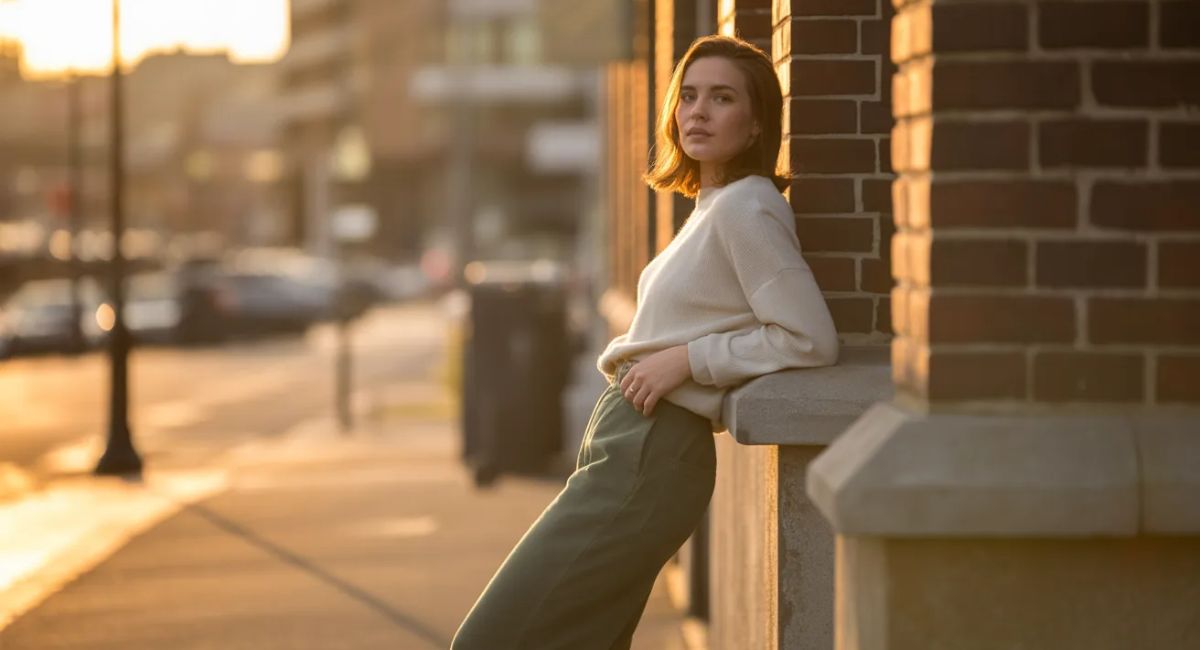
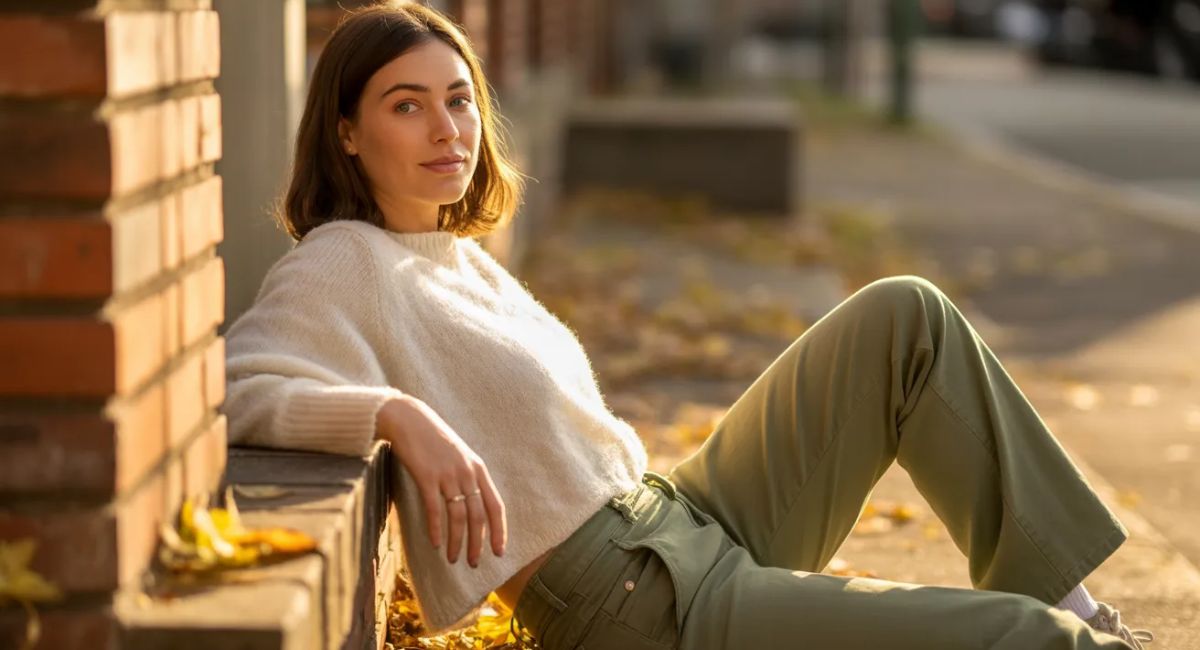
You can also use your surroundings. Lean against a wall, sit on steps, or interact with objects in your environment. These small actions help improve how to pose for photos without needing complex instructions.
For more inspiration tailored to graduation sessions, you can also explore our guide on senior picture ideas for outfit, pose, and location inspiration.
5. How to Photograph Children Naturally
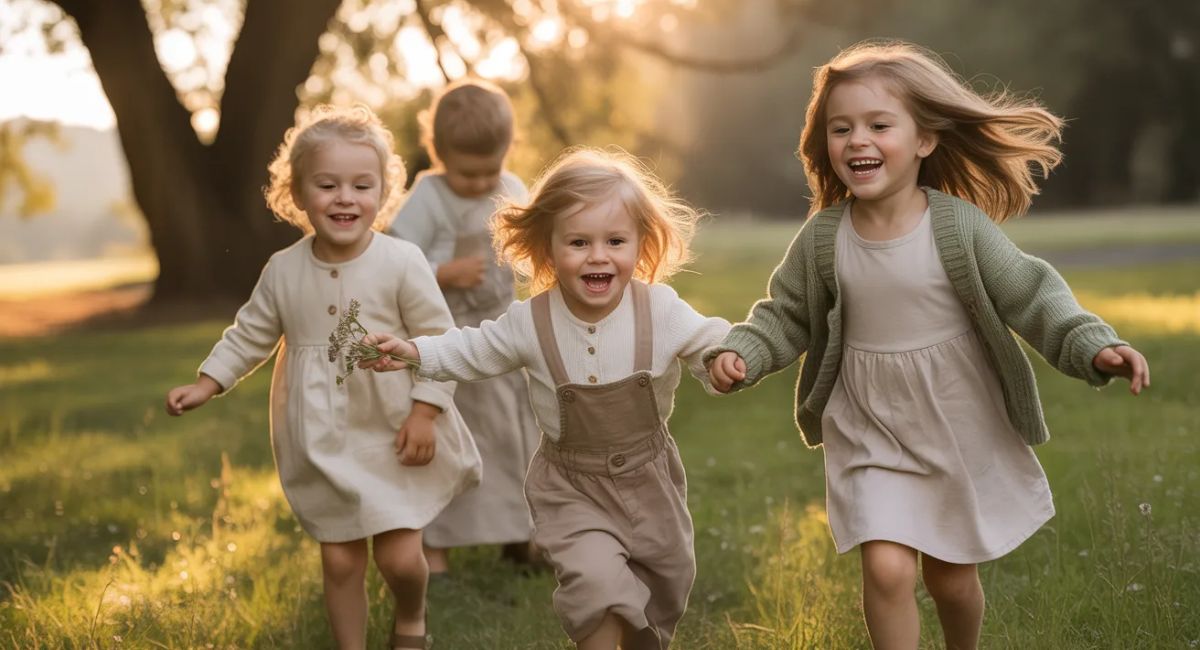
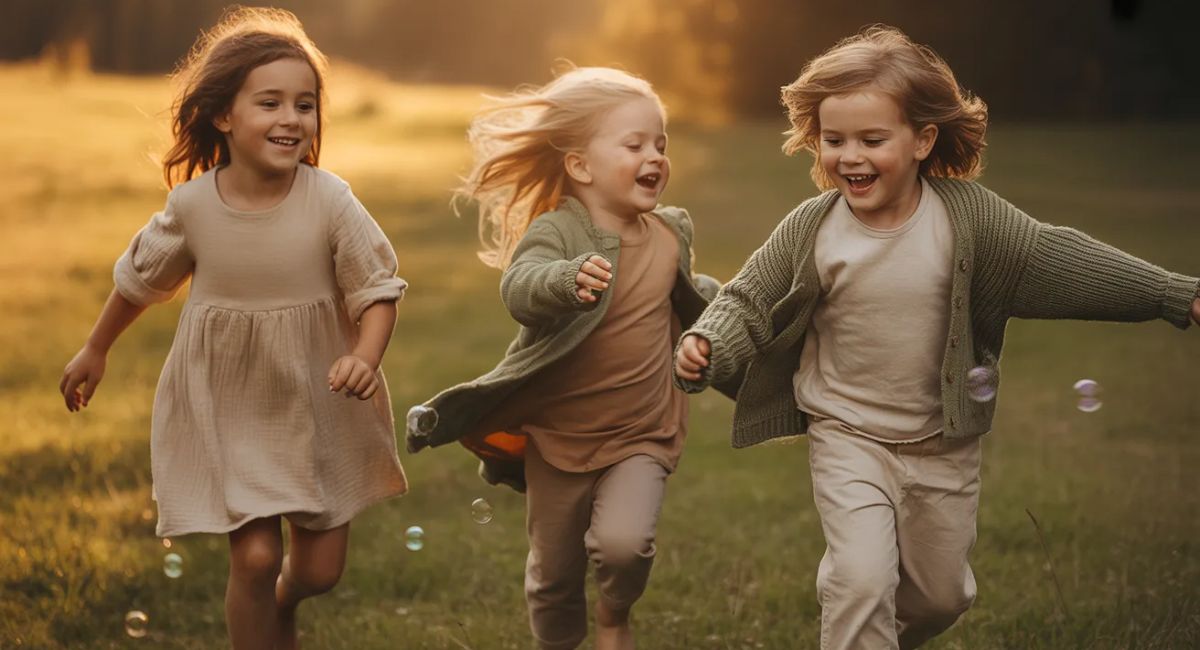
Understanding how to photograph children requires a completely different approach. Children are naturally expressive, but they lose that energy when forced into stiff poses.
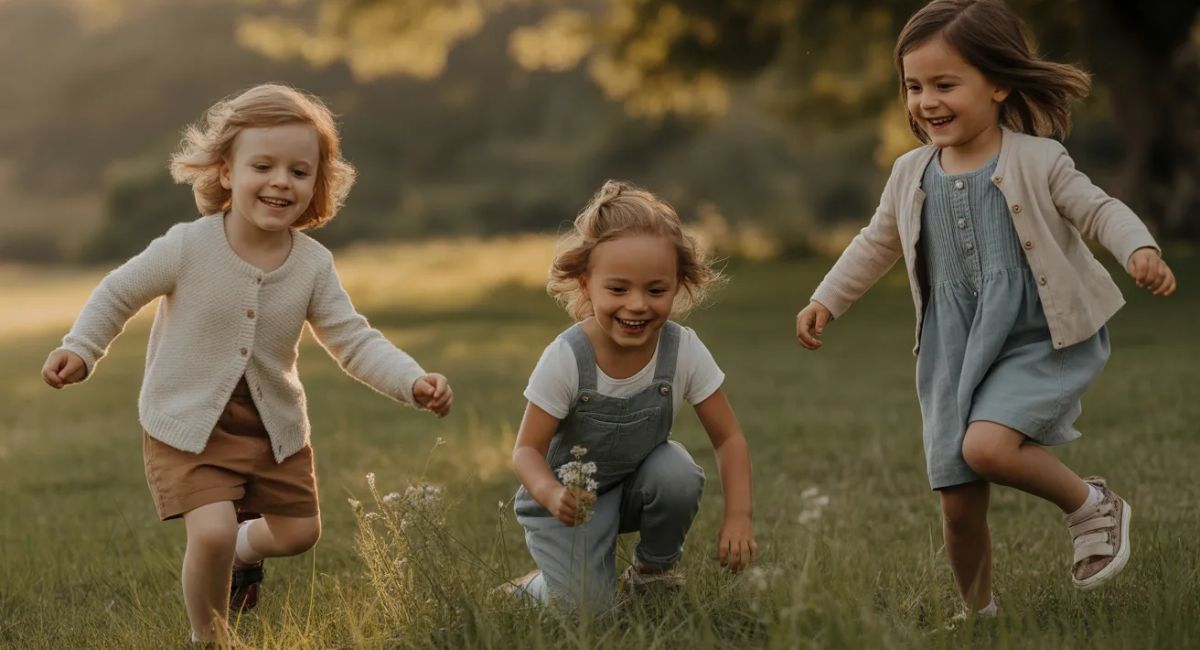
Instead of asking kids to stay still, allow them to move freely. Running, laughing, playing, or interacting with parents creates the most authentic results. The best how to take better photos technique with children is to capture moments instead of directing them too much. You can explore professional child photography techniques and movement-based posing ideas from resources like National Geographic Photography Tips for deeper visual storytelling inspiration.
Photographers often recommend turning the session into a playful activity rather than a structured shoot. This helps children behave naturally, which leads to more emotional and storytelling-driven images.
6. How to Pose for Pictures in Backshot & Storytelling Photography
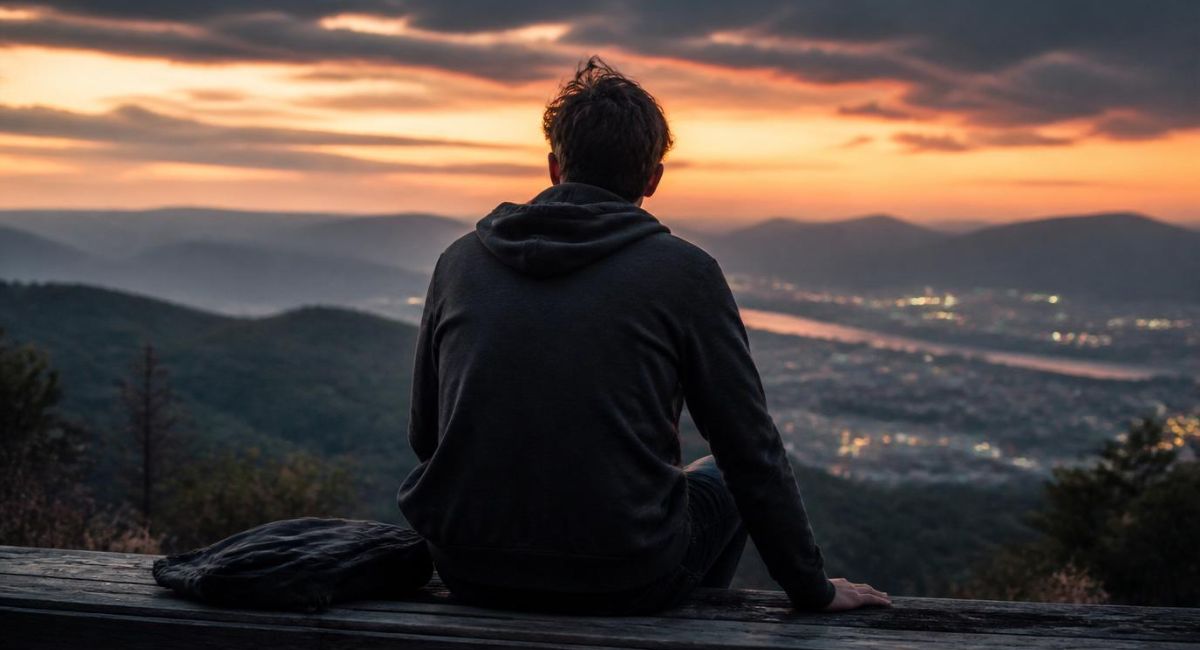
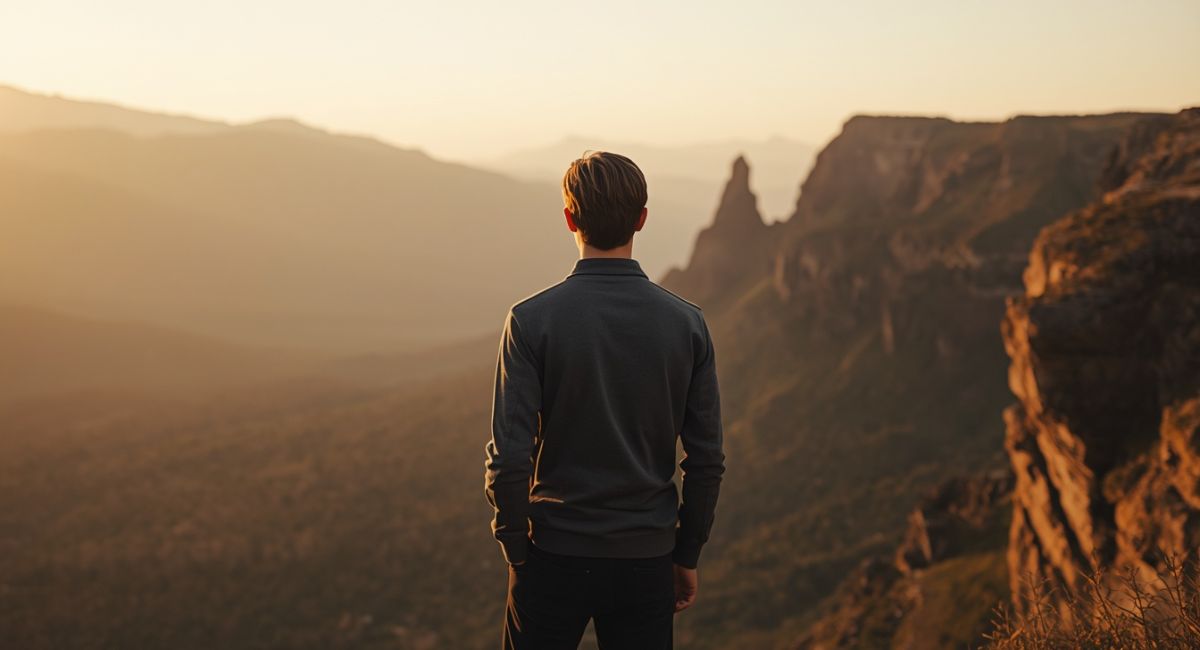
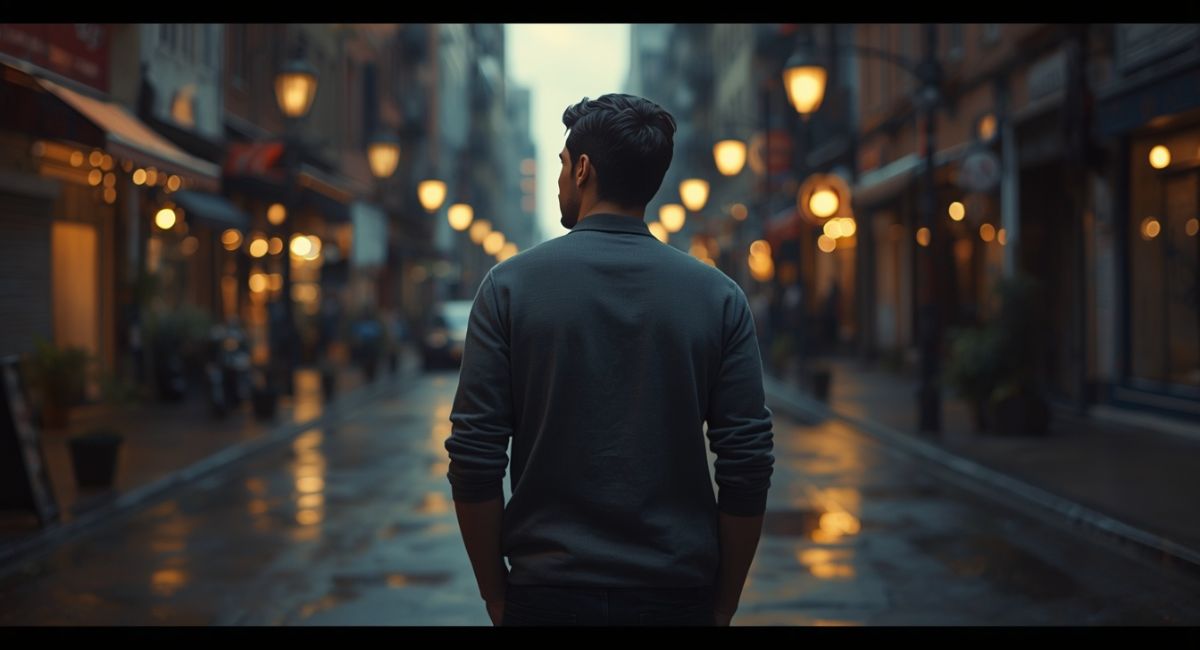
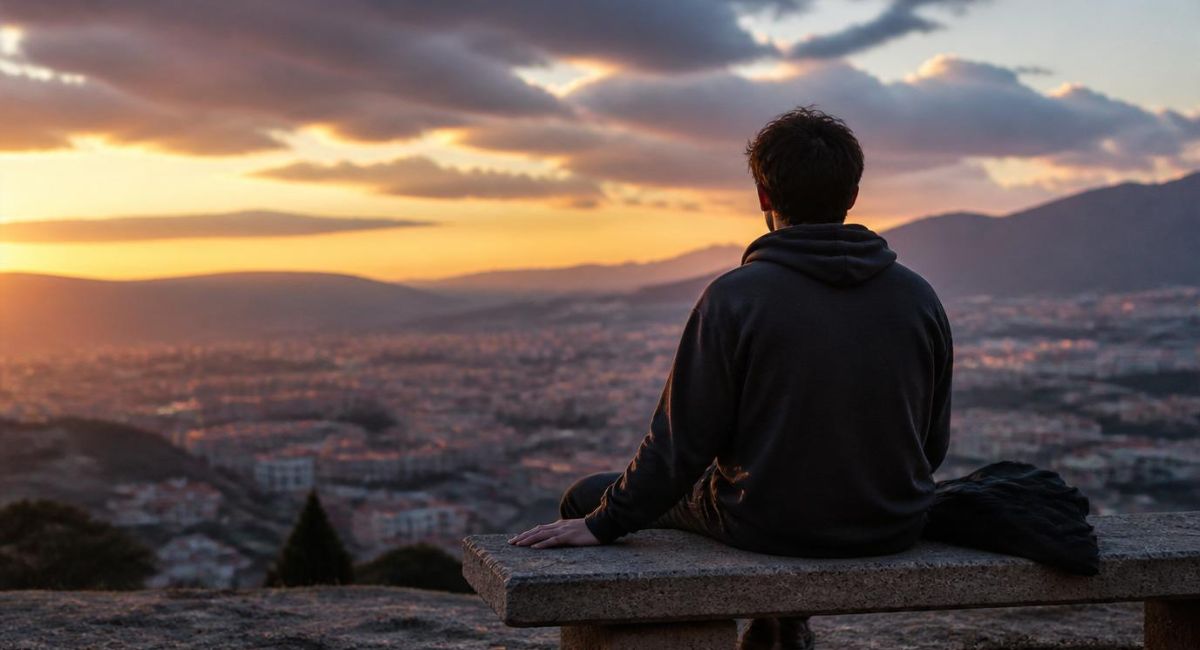
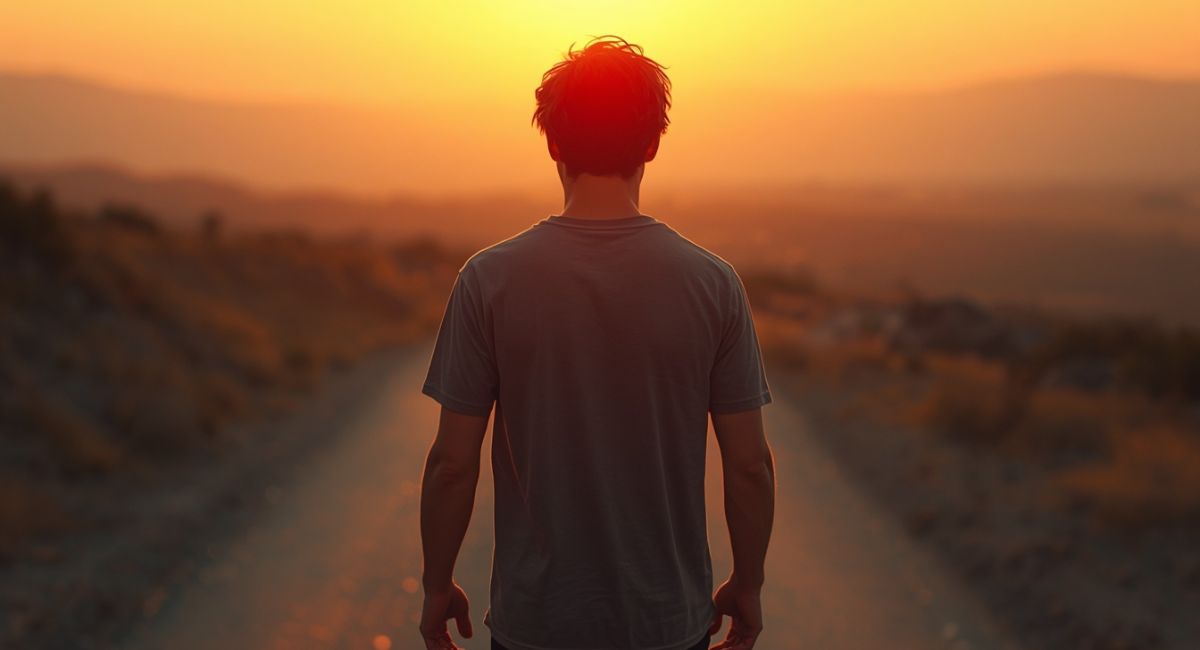
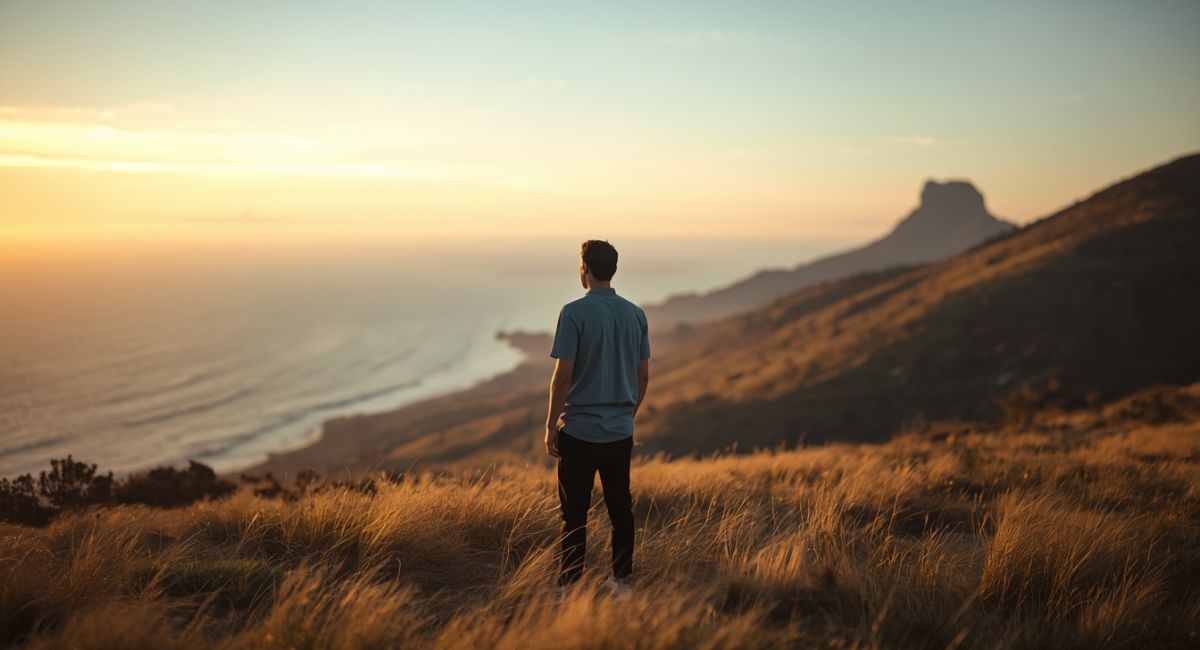
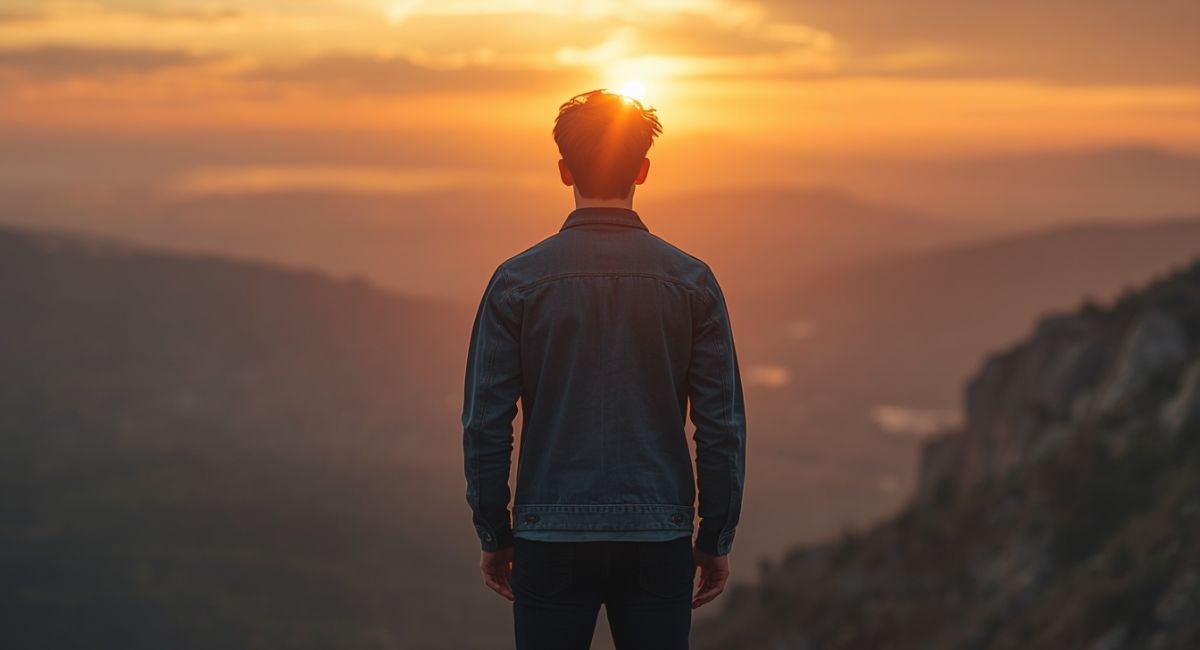
When learning how to pose for pictures, backshot and storytelling compositions are a powerful way to create more meaningful results. In this style, the subject is captured from behind or at an angle, which shifts focus from facial expression to body language, environment, and storytelling.
To make this work, the subject should naturally face away from the camera while interacting with the scene—walking toward a destination, standing still in a thoughtful moment, or observing the surroundings. This approach is widely used in cinematic photography because it helps create depth and emotion without needing direct eye contact with the camera.
For anyone trying to understand how to take better photos, this technique teaches you to think beyond traditional posing and focus more on composition, direction, and visual storytelling elements that make images feel alive.
7. How to Pose for Pictures in Viewpoint Photography (Emotional & Reflective Style)
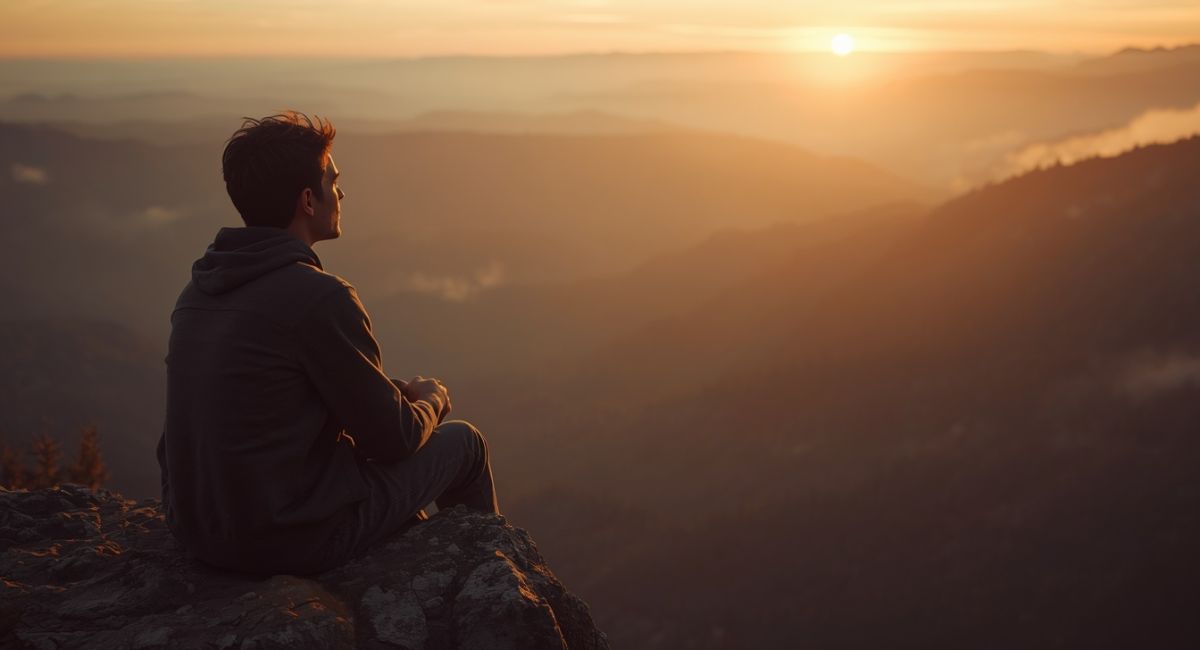
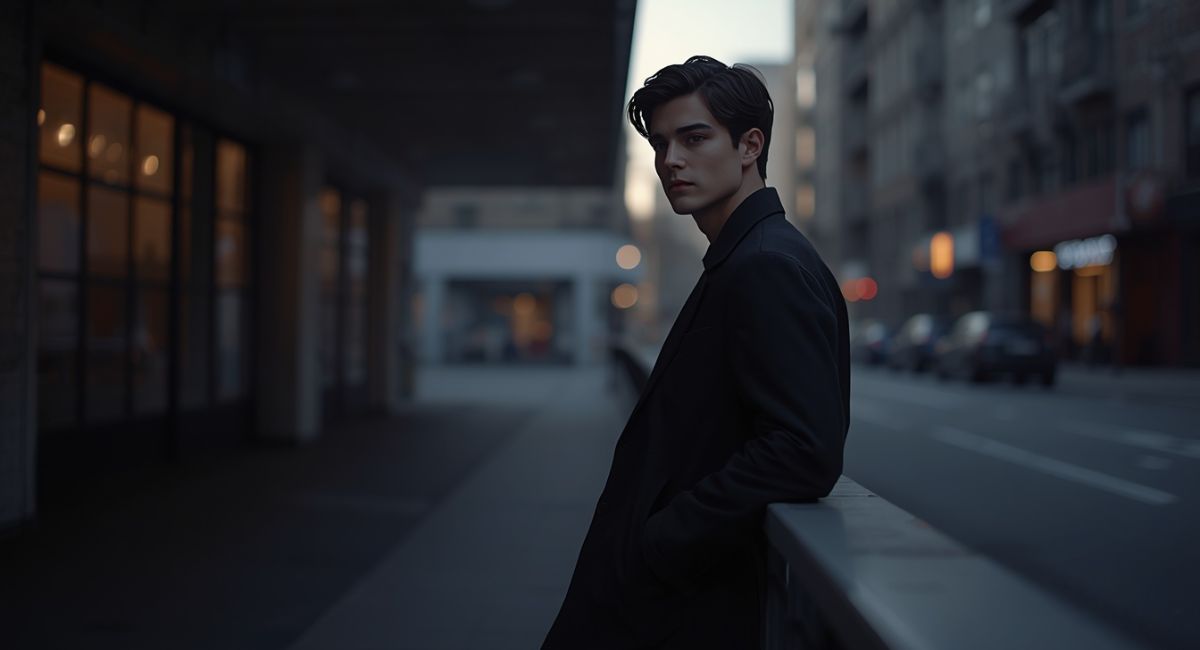
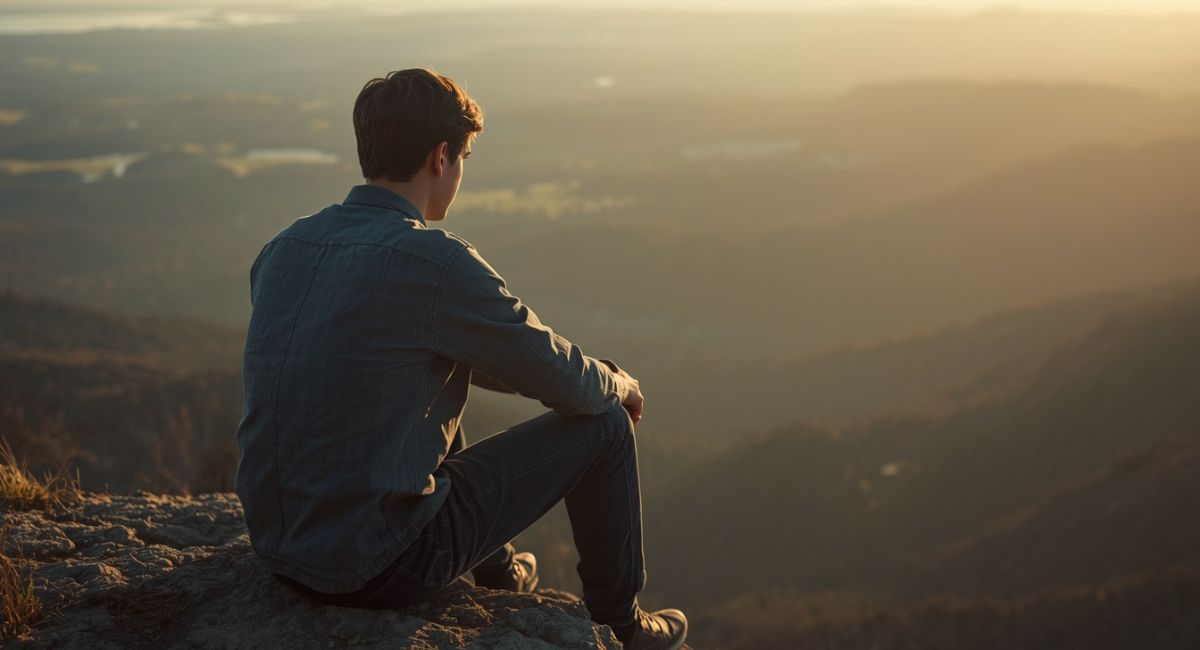
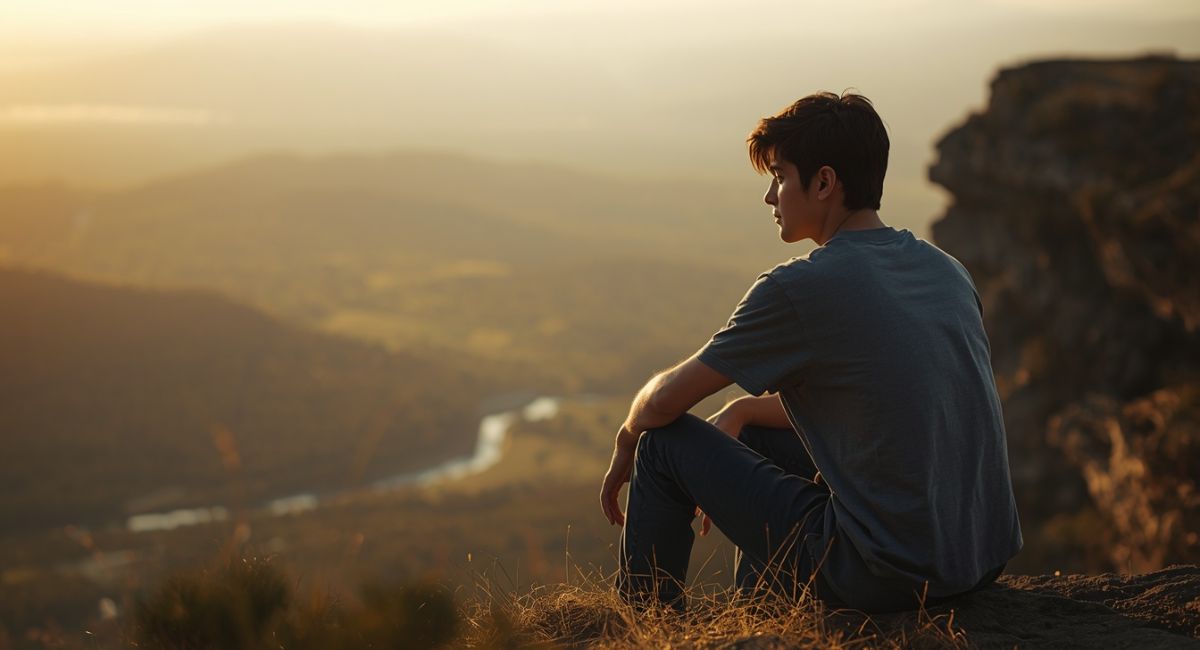
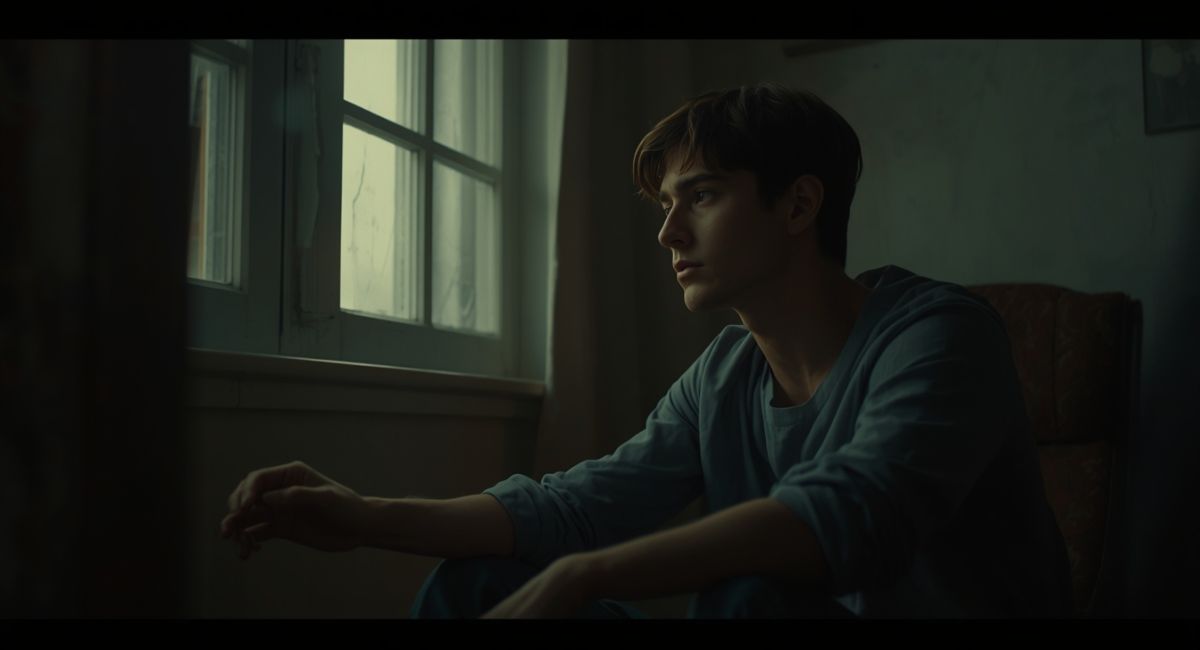
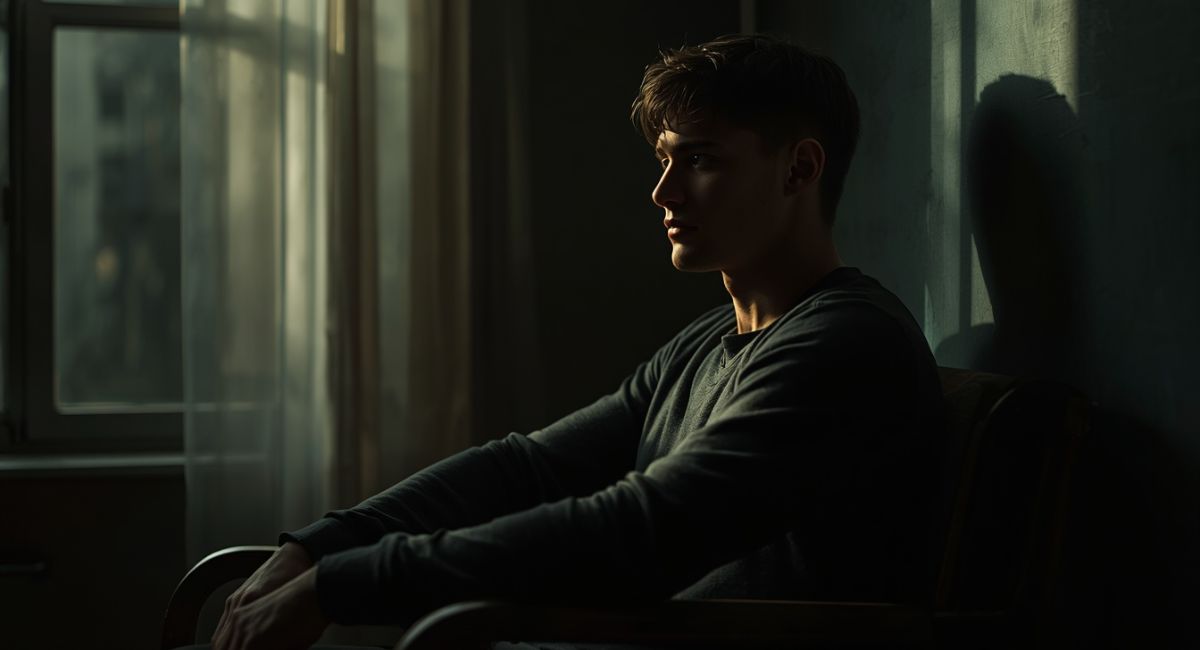
Another important style in how to pose for pictures is viewpoint photography, which focuses on emotional, reflective, or mood-based scenes. This includes sitting alone, looking at landscapes, leaning on structures, or quietly interacting with the environment.
The key is not stiffness but natural body language. Slight forward or side leaning, relaxed shoulders, and looking away from the camera help create a more authentic mood. This style is often used for emotional storytelling, including sad, thoughtful, or peaceful moments where the environment plays a major role.
In viewpoint photography, the goal is to let the scene and posture together tell the story. This approach is frequently used in photography tutorials because it helps beginners understand how emotion and atmosphere improve how to take better photos without relying on facial expressions.
8. How to Pose for Cinematic Photography & Cinematic Photoshoots
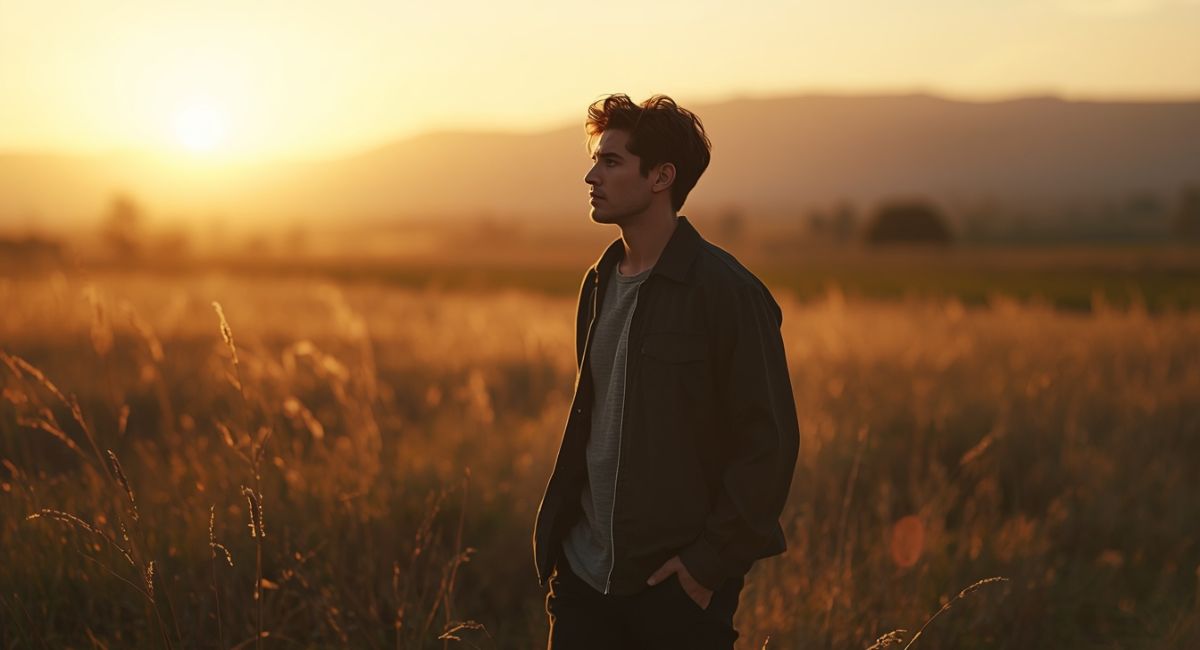
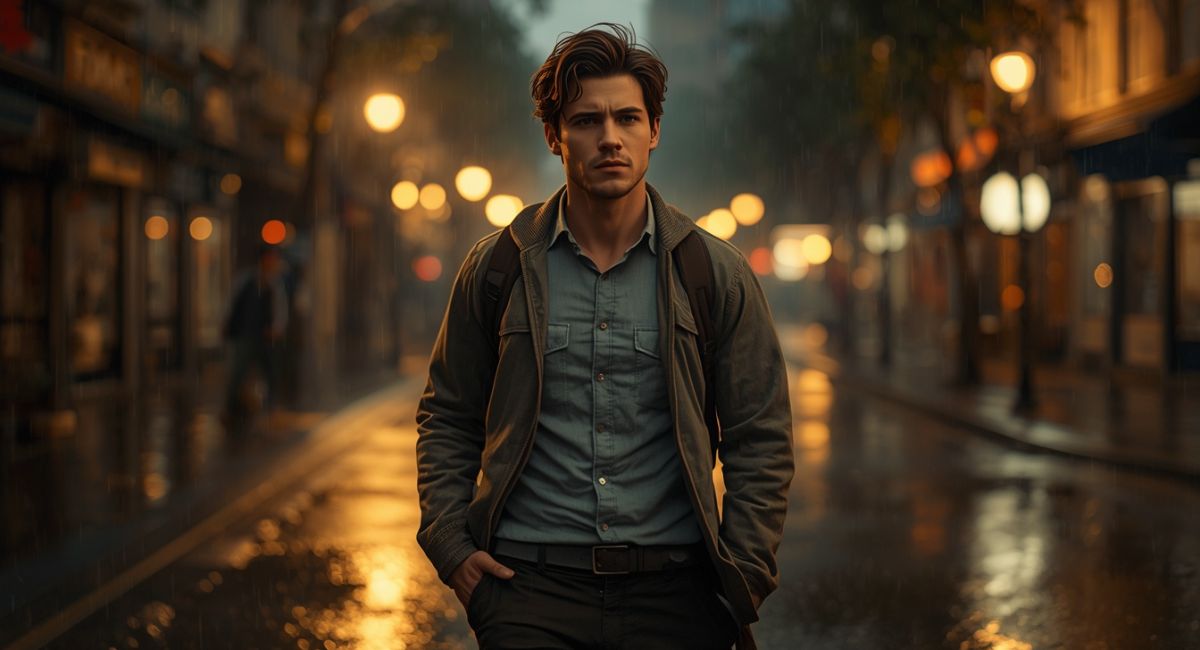
Cinematic photography is one of the most powerful ways to improve how to pose for pictures, because it focuses on storytelling through movement and atmosphere rather than static posing. A cinematic photoshoot should feel like a scene from a movie, where every frame captures a moment in motion.
Instead of holding fixed positions, the subject should move naturally—walking slowly, pausing mid-motion, turning slightly, or interacting with surroundings. These subtle movements create a sense of flow and realism that defines cinematic photography.
Lighting, environment, and timing also play a key role in this style. Golden hour, street lights, or moody indoor shadows enhance the cinematic effect and help elevate how to take better photos by adding depth, contrast, and emotion to every frame.
9. How to Take Better Photos with Simple Posing
Improving how to take better photos does not always require expensive equipment. In most cases, better posing and timing make a bigger difference than the camera itself.
Natural light is extremely important. Soft lighting during morning or evening helps reduce harsh shadows and improves skin tones. Combine this with relaxed posing and your photos will instantly look more professional. According to photography experts at Adobe Photography Lighting Guide, golden hour lighting is one of the most effective ways to improve portrait quality naturally.
Understanding angles also helps. Slightly turning the body, tilting the head, and avoiding flat front-facing poses improves depth. These small adjustments are core principles of how to pose for pictures successfully. For a deeper guide on lighting, composition, and camera techniques, You can also explore the following article for more inspiration.
10. Common Posing Mistakes to Avoid
One of the most common mistakes in how to pose for pictures is overthinking. When people try too hard, their expressions become stiff and unnatural.
Another mistake is keeping hands rigid or hidden. Hands should always feel relaxed and intentional. Avoid standing completely straight facing the camera because it removes depth from the image.
Also, avoid copying overly complex poses from fashion magazines if they do not feel natural. The best results come from simple and comfortable movements.
11. How Posing Connects to Outfit Styling
Posing and styling always work together. Even the best family photo outfits or engagement clothing can lose impact if posing feels unnatural.
Soft movement in dresses, layered clothing, and comfortable outfits improve how people pose naturally. This is why outfit planning and posing should always be considered together for better photography results.
You can also explore Family Photo Outfits 2026: Stunning Timeless Ideas That Work for Every Season to understand how styling affects posing and overall photo balance.
12. Final Thoughts on How to Pose for Pictures
Learning how to pose for pictures is not about becoming perfect in front of the camera. It is about understanding comfort, movement, and emotional expression.
Once you master how to pose, your confidence increases and your photos naturally improve. Whether you are working on simple couple photo pose, family sessions, or learning how to photograph children, the key is always the same: stay relaxed, stay natural, and focus on connection instead of perfection.
Great photography is not about standing still. It is about capturing real moments in the most natural way possible.
13. Frequently Asked Questions
Learning how to pose naturally can make a huge difference in the way photos look and feel. These frequently asked questions cover some of the most common posing concerns, including how to appear more photogenic, flattering body positioning, and basic posing principles used in portrait and lifestyle photography.
1. What Is the Most Flattering Way to Pose for Pictures?
One of the most flattering ways to pose for pictures is to stand at a slight angle instead of facing the camera directly. This creates more depth and natural body shape in photos. Relaxing the shoulders, slightly shifting weight onto one leg, and keeping hands natural also helps create softer and more balanced portraits.
Small movements and natural expressions often make photos look more authentic and visually appealing.
2. How Can I Be More Photogenic in Photos?
To become more photogenic, focus on lighting, posture, and comfort rather than trying to force expressions. Natural light, relaxed body language, and understanding your best angles can dramatically improve photos.
Practicing in front of a mirror or using your phone camera regularly can also help you discover poses and expressions that feel most natural. Confidence and comfort usually make the biggest difference in how photos turn out.
3. How to Pose for Pictures Over 50?
For people over 50, posing should focus on elegance, confidence, and natural posture rather than overly dramatic angles. Slightly turning the body sideways, relaxing the hands, and maintaining upright posture usually creates flattering results.
Soft lighting and natural expressions are especially important because they create warmth and authenticity in portrait photography.
4. What Are the 7 Posing Points?
The 7 posing points are commonly used in portrait photography to improve posture and body positioning:
- Head angle
- Shoulder direction
- Arm placement
- Hand positioning
- Waist posture
- Leg alignment
- Foot direction
Understanding these points helps create more balanced and natural-looking poses in photos.
5. What Is the Golden Rule of Posing?
The golden rule of posing is to create natural movement and avoid stiffness. Good poses should feel relaxed and connected to the environment instead of looking forced or overly structured.
Slight angles, soft posture, and subtle movement usually create more flattering and timeless photographs than rigid or perfectly symmetrical poses.
6. What Do Four Fingers Mean in a Pose?
In photography and social media poses, showing four fingers is often used as a casual hand gesture or stylistic expression rather than having a universal meaning. In some cases, it may simply help create more natural hand positioning and visual balance in portraits.
Hand placement is important in posing because awkward or stiff hands can quickly make otherwise good photos feel unnatural.