

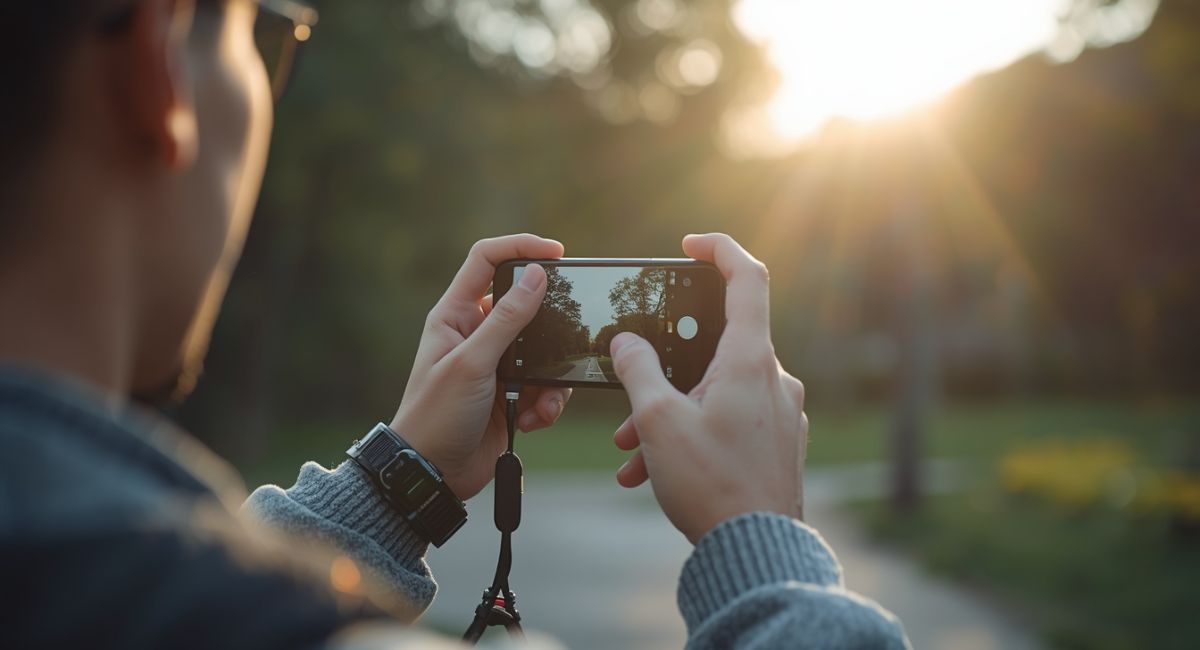
Learning how to take better photos is not just about owning an expensive camera. In 2026, most high-quality images are captured using smartphones because they are always available and packed with advanced features. However, the real difference between average and stunning photos comes down to lighting, angles, composition, and understanding basic photography principles.
This guide focuses on practical photography tutorials for both mobile users and camera users so you can instantly improve your results. Whether you are taking portraits, family shots, travel photos, or outfit pictures, these tips will help you create professional-looking images without complicated equipment.
1. Understanding Light: The Most Important Factor in Photography
If you want to master how to take better photos, lighting is the first thing you must understand. Even the best phone or camera cannot fix bad lighting.
Natural light is always the best option, especially during golden hour (shortly after sunrise or before sunset). This light is soft, warm, and flattering for skin tones. Harsh midday sunlight should be avoided because it creates strong shadows and overexposed highlights.
For mobile photography, simply turning your subject toward natural light can dramatically improve results. For camera users, adjusting ISO and exposure helps control brightness and detail.
To learn more about professional lighting techniques, you can explore Adobe Photography Lighting Guide which explains how light affects composition and mood in photography.
2. Angles That Instantly Improve Your Photos
Angles play a huge role in photography tutorials because even a small change in perspective can completely transform an image.
For mobile photography, avoid always shooting from eye level. Try slightly higher angles for portraits or lower angles for a more powerful look. Tilting your phone slightly instead of shooting straight-on can also add depth.
For cameras, using different focal lengths (like 35mm or 50mm for portraits) helps create natural perspective and background separation.
A simple rule: never stay static. Move around your subject and experiment with multiple angles when learning how to take better photos.





3. Storytelling with Back Perspective Photography
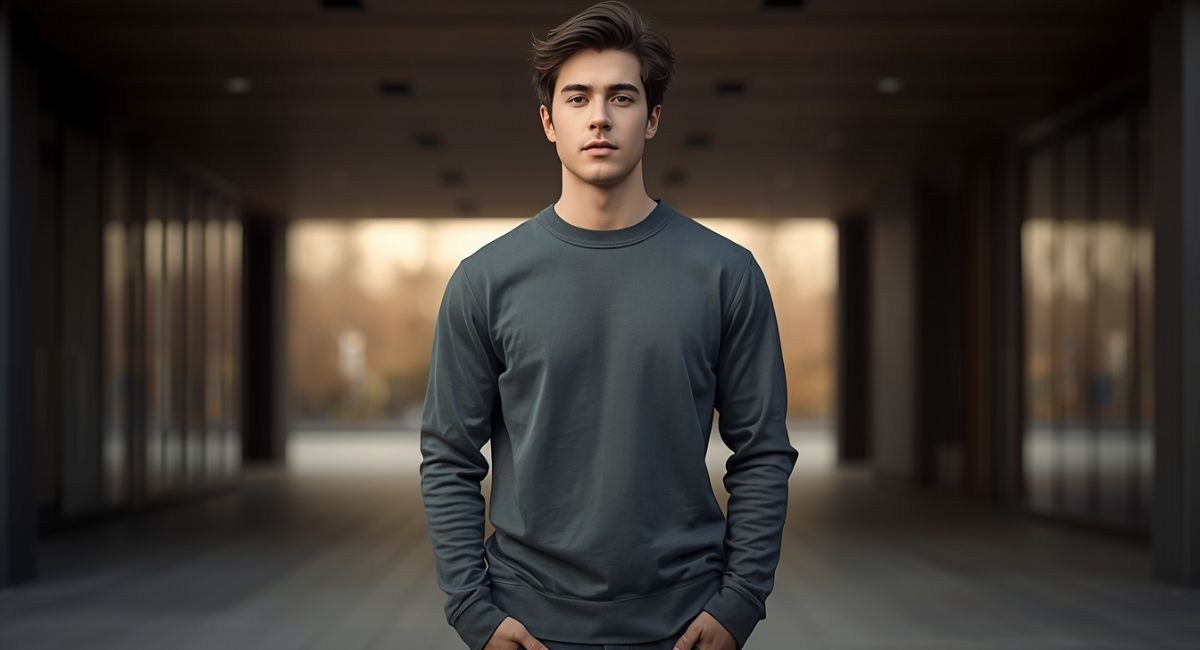
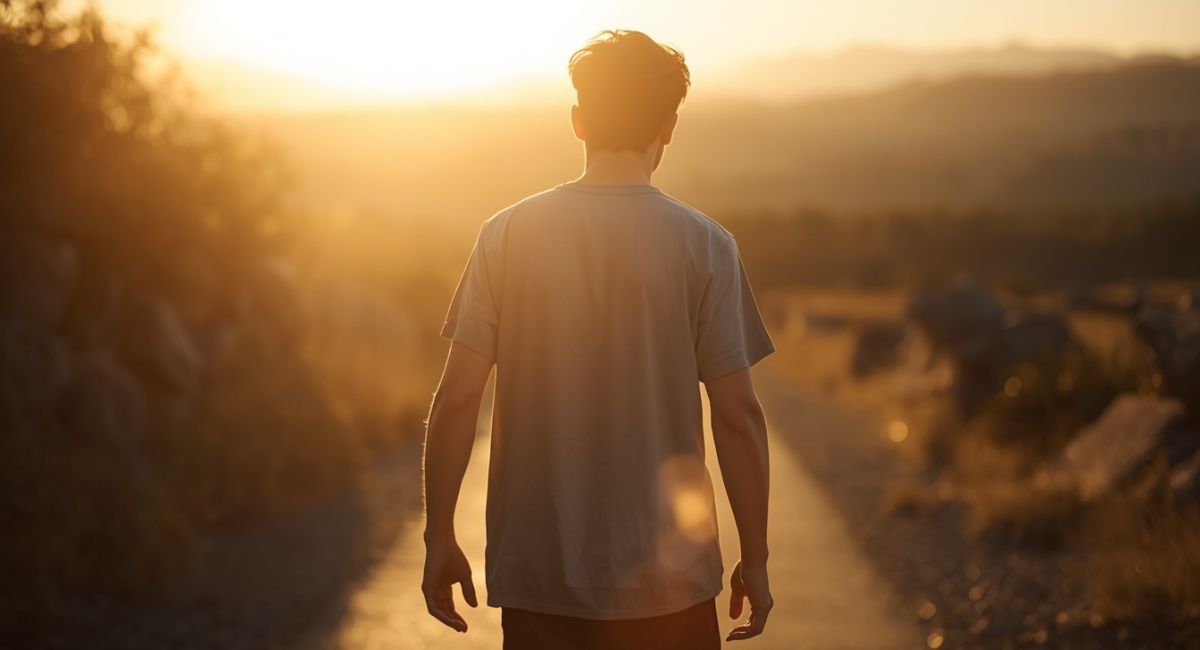
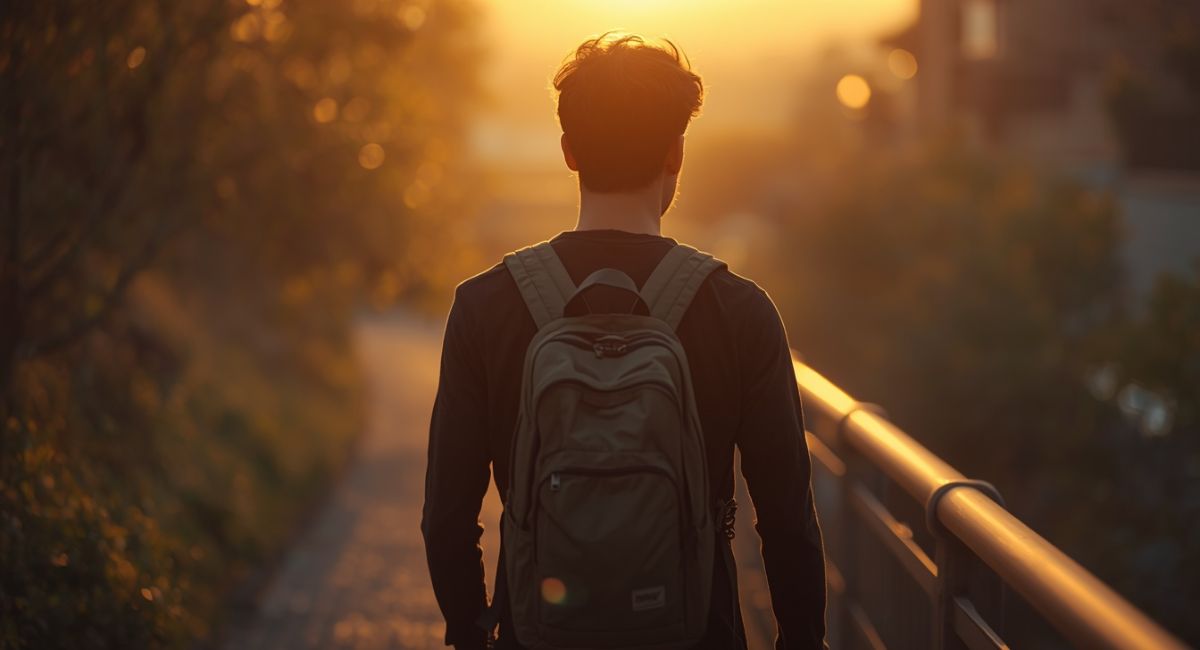
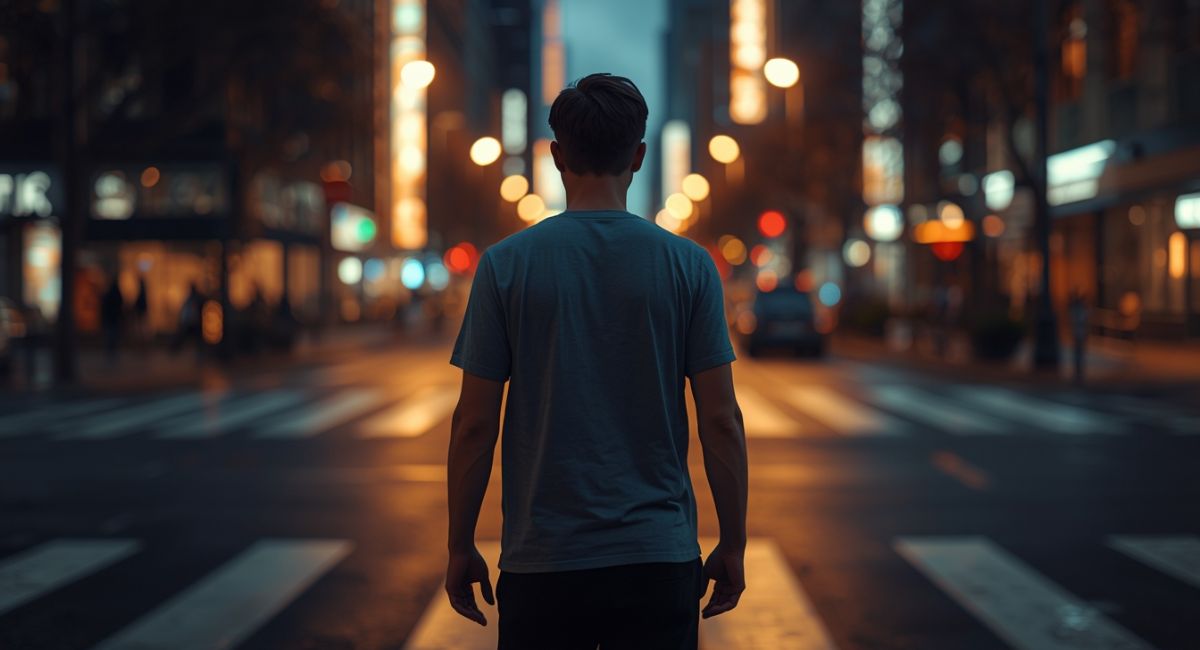
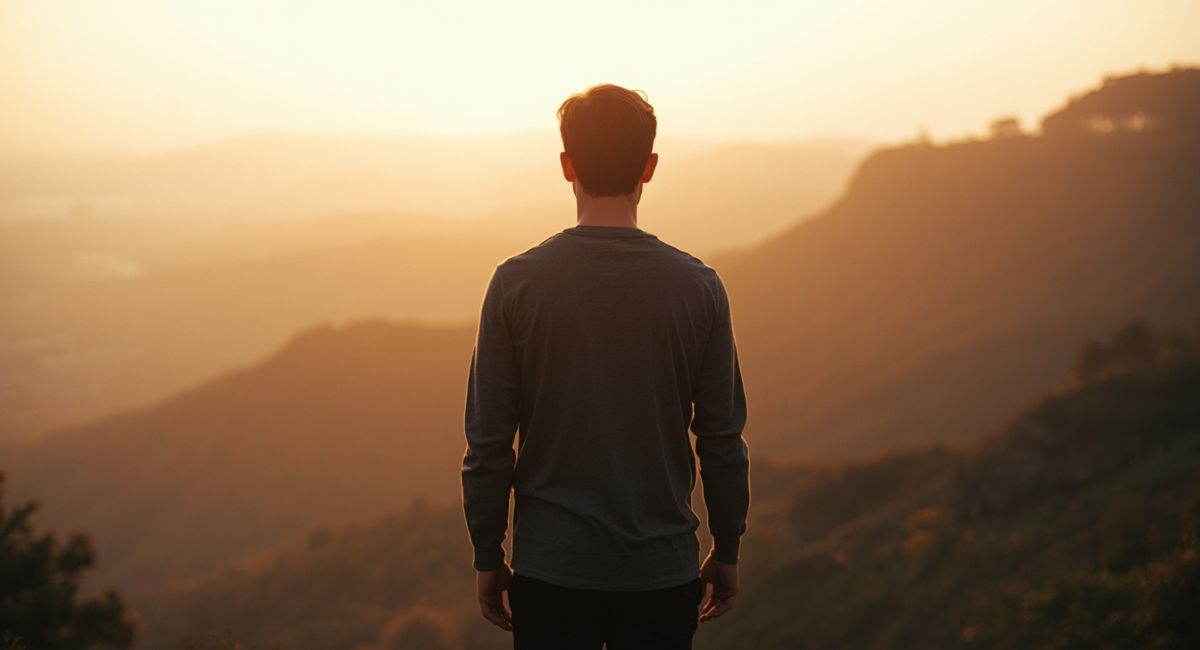
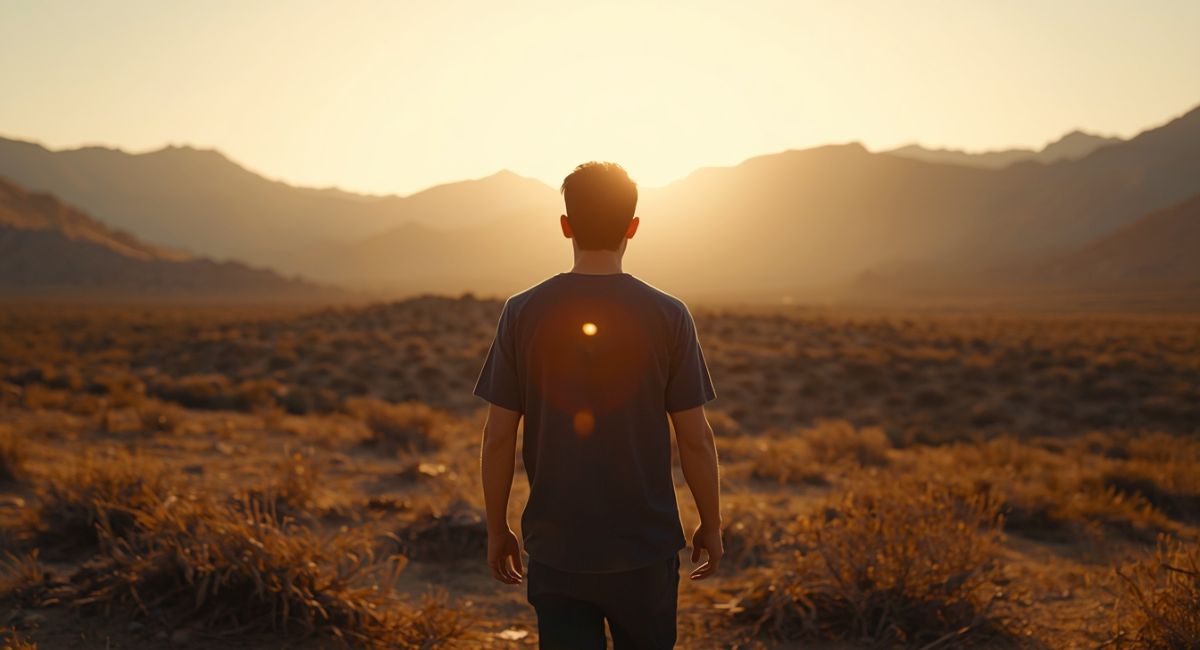
One powerful technique in how to take better photos is using back perspective or “subject-away” composition, where the camera captures the person from behind or from an angle without showing their face. This style is widely used in cinematic and travel photography because it naturally creates a sense of story, mood, and depth without relying on expressions.
Instead of focusing on facial detail, this approach emphasizes environment, lighting, and direction of movement. The subject becomes part of a larger scene—walking into a landscape, standing at a viewpoint, or interacting with surroundings. This helps the viewer feel like they are observing a moment rather than being directly addressed by it, which adds emotional distance and visual intrigue.
This technique is often highlighted in professional photography tutorials because it trains photographers to think beyond portraits and focus on composition, storytelling layers, and atmosphere, which are essential for creating more impactful and cinematic images.
This storytelling approach is also commonly used in graduation sessions, so you can explore more ideas in our senior picture ideas guide for poses, locations, and cinematic photo inspiration.

4. Composition Basics for Better Photos
Good composition is what separates average images from professional ones. One of the easiest techniques is the rule of thirds.
Imagine dividing your frame into nine equal parts. Placing your subject slightly off-center creates a more balanced and visually appealing image.
Another important tip in how to take better photos is keeping backgrounds clean and distraction-free. Whether you are using a phone or camera, clutter in the background reduces focus on your subject.
Mobile users can use grid lines in camera settings to apply composition rules easily.
5. Mobile Photography Tips for Everyday Users
Most people rely on smartphones, so understanding mobile photography is essential.
Here are practical tips to improve your results:
- Clean your camera lens before shooting
- Use natural light whenever possible
- Tap to focus on your subject
- Adjust exposure manually by sliding brightness
- Avoid digital zoom (move closer instead)
- Use portrait mode for depth effect
These simple habits can significantly improve your how to take better photos results without needing any editing.
Mobile photography is especially useful for lifestyle, travel, and family photo outfits shoots where quick and natural moments matter most.
6. Natural Posing Tips for Better Photos
One of the most overlooked parts of how to take better photos is posing. Even perfect lighting and composition can look weak if the subject feels stiff or unnatural. Good posing is not about standing perfectly still—it’s about creating movement, comfort, and natural expression in front of the camera.
For mobile and camera photography, simple adjustments like shifting weight to one leg, slightly turning the body instead of facing the camera directly, and keeping hands relaxed can instantly improve results. Natural interaction with the environment—like walking, leaning, or looking away from the lens—creates more authentic and visually appealing images.
If you want a deeper breakdown of posing techniques, you can explore our detailed guide on How to Pose for Pictures Naturally (2026): Stop Looking Awkward in Photos to learn step-by-step posing methods for portraits, couples, and everyday photography.
7. Camera Photography Tips for Better Results
If you are using a DSLR or mirrorless camera, you have more control over your images.
Start by learning basic settings:
- ISO controls light sensitivity
- Aperture controls background blur
- Shutter speed controls motion
Understanding these settings is essential in advanced photography tutorials because they allow you to shape light and movement intentionally.
Use a wide aperture (like f/1.8 or f/2.8) for portraits to create beautiful background blur, and slower shutter speeds for low-light environments.
8. Common Mistakes to Avoid in Photography
Many beginners struggle with how to take better photos because of a few common mistakes:
- Shooting in poor lighting
- Overusing filters and edits
- Ignoring background distractions
- Holding the phone too shakily
- Always shooting from the same angle
Fixing these issues alone can instantly improve your photography quality without any expensive upgrades.
9. Editing Tips to Enhance Your Photos
Editing is the final step in improving your images. Even simple adjustments can make a big difference.
For mobile users, apps like Lightroom Mobile or Snapseed are powerful and easy to use. For camera users, Lightroom Desktop offers full control over color grading and exposure.
Avoid over-editing. The goal is to enhance natural beauty, not completely change the image.
You can learn more editing techniques from Photography Editing Basics (Lightroom Guide) which provides beginner-friendly editing workflows.
10. Final Thoughts on How to Take Better Photos
Mastering how to take better photos is not about equipment—it is about practice, observation, and understanding light and composition.
Whether you are using a smartphone or camera, the key is to experiment with angles, use natural light, and avoid overcomplicating your shots. Over time, these small improvements will dramatically enhance your photography skills.
By following these photography tutorials, you can start creating cleaner, more professional, and more visually engaging photos in everyday life.
11. Frequently Asked Questions
Photography can feel complicated at first, especially when learning lighting, angles, posing, and composition. These frequently asked questions cover some of the most common beginner photography topics to help you better understand how to take better photos, improve your confidence behind the camera, and create more professional-looking images using both mobile phones and cameras.
1. How Can I Get Better at Taking Pictures?
The best way to improve how to take better photos is by practicing lighting, composition, and angles consistently. Instead of focusing only on camera quality, learn how natural light works, experiment with different perspectives, and pay attention to backgrounds. Taking photos regularly helps you understand what looks visually balanced and what does not.
Studying professional photography tutorials and recreating styles you admire can also improve your skills much faster. Over time, small improvements in framing, editing, and storytelling will make your photos look more professional.
2. What Kind of Photography Does James Maher Do?
James Maher is best known for street photography and urban storytelling photography. His work often focuses on capturing natural moments, city life, emotions, and human interaction in real-world environments.
His photography style emphasizes observation, timing, and storytelling instead of heavily posed portraits. Many photographers study his work to better understand composition, atmosphere, and candid photography techniques.
3. What Is Michael Anthony’s Photography Style?
Michael Anthony is known for luxury wedding photography and cinematic portrait photography. His style combines dramatic lighting, emotional storytelling, and carefully composed scenes to create elegant and visually rich images.
His work is often associated with cinematic photography because of the way he uses light, depth, and environment to create movie-like portraits and wedding photos.
4. Can You Be Attractive but Not Photogenic?
Yes, someone can absolutely be attractive but not naturally photogenic. Being photogenic is more related to lighting, camera angles, posture, facial relaxation, and comfort in front of the camera rather than physical appearance alone.
Many people look better in person because cameras flatten depth and react differently to lighting. Learning how to pose for pictures and understanding your best angles can dramatically improve how you appear in photos.
5. How Do I Become More Photogenic?
To become more photogenic, focus on natural body language, soft facial expressions, and proper lighting. Avoid stiff poses and instead create small movements like slightly turning your body, relaxing your shoulders, or interacting naturally with the environment.
Practicing in front of a mirror or using your phone camera regularly can help you discover your best angles. Understanding light and composition is also essential for how to take better photos because even small lighting changes can improve facial features and overall image quality.
6. What Are the 5 C’s of Photography?
The 5 C’s of photography are commonly used to explain the core foundations of creating strong images:
- Composition – How elements are arranged within the frame
- Color – The use of tones and palettes to create mood
- Contrast – The balance between light and dark areas
- Clarity – Sharpness and detail within the image
- Creativity – The unique storytelling or artistic approach behind the photo
Understanding these principles can greatly improve how to take better photos, especially for beginners learning composition, lighting, and visual storytelling.