

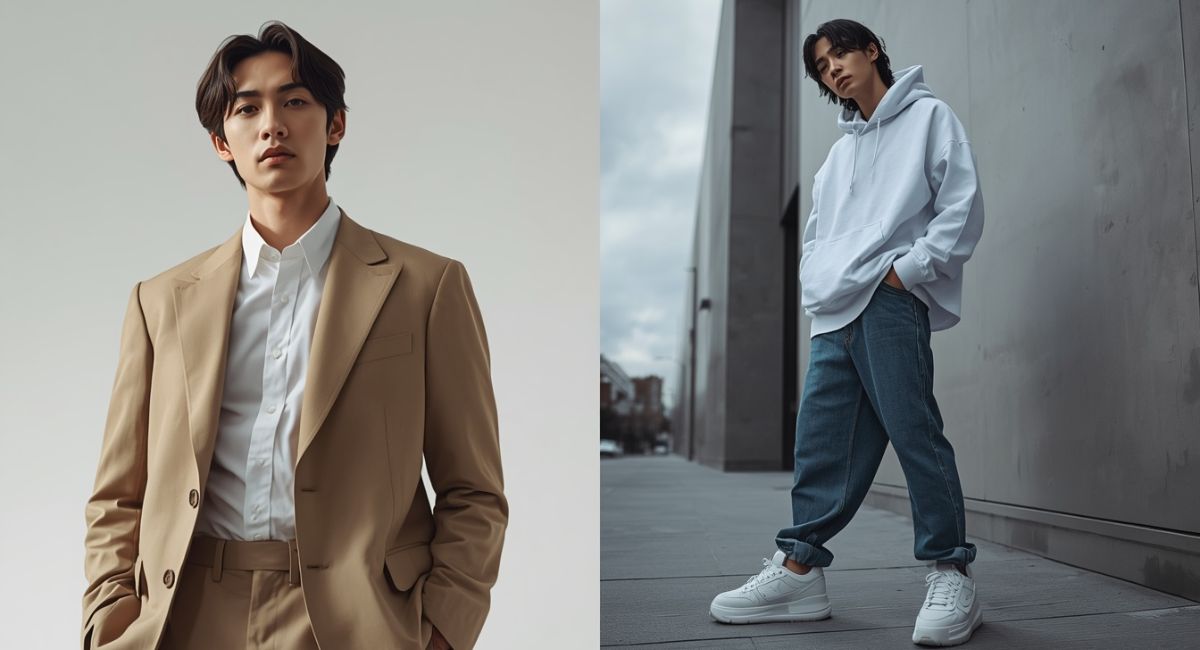
Fashion today is divided into two powerful style identities — Old Money fashion style and modern streetwear aesthetics. While one focuses on timeless elegance and expensive-looking outfits, the other embraces comfort, oversized silhouettes, and expressive street culture.
Both styles dominate social media, Pinterest boards, and Gen Z fashion trends, but they represent completely different fashion philosophies. Understanding the difference between them helps you build a stronger personal style, whether you prefer luxury minimalism or relaxed urban streetwear.
1. What Is Old Money Fashion Style?
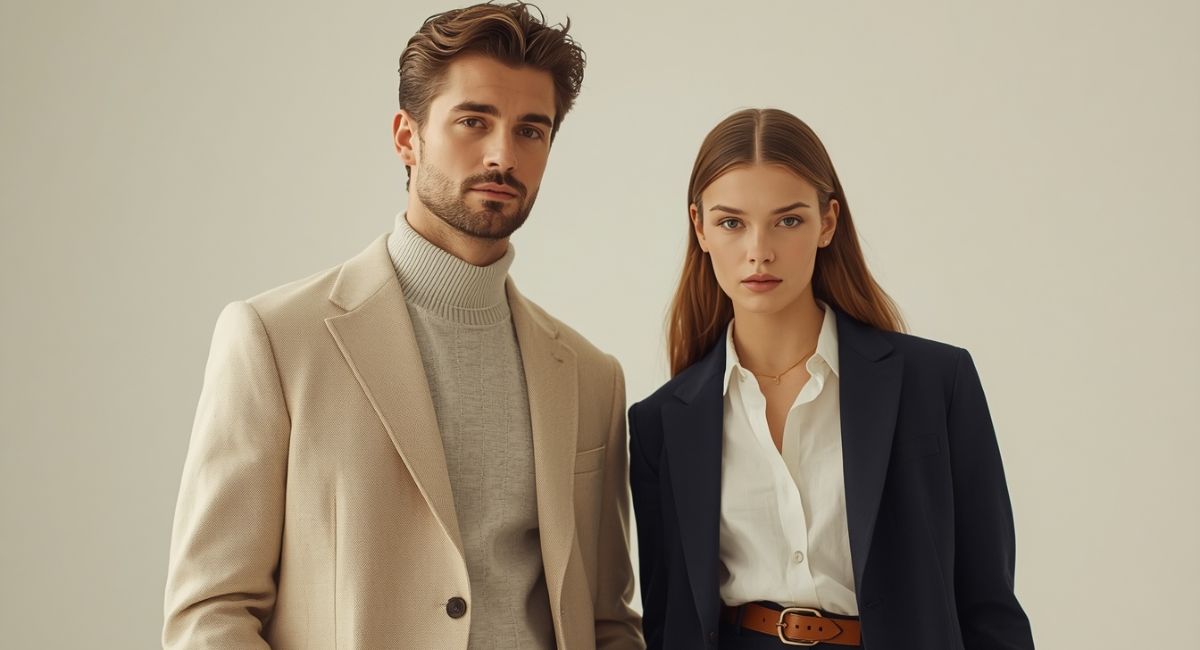
Old money fashion style is all about timeless elegance, minimal branding, and sophisticated simplicity. It reflects a wealthy, understated aesthetic rather than flashy or trendy outfits.
Key elements of old money fashion include:
- neutral color palettes
- tailored clothing
- premium-looking fabrics
- minimal logos
- clean silhouettes
Common examples of old money fashion outfits:
- white linen shirts
- beige trousers
- navy blazers
- cream sweaters
- loafers and minimal sneakers
This style focuses heavily on creating expensive looking outfits without needing visible luxury branding.
According to Vogue’s coverage on quiet luxury and classic styling trends, this aesthetic focuses more on quality, fit, and simplicity rather than loud or seasonal trends. You can read more about this fashion perspective here: Vogue Quiet Luxury Style Guide. This makes old money fashion one of the most consistent and enduring style directions in modern menswear and womenswear.
You can also explore:
- Why Old Money Fashion Became Popular Again: The Quiet Luxury Revolution
- Old Money Outfits Guide: Timeless Elegant Style for Men and Women in 2026
to understand how this aesthetic became so popular in modern fashion culture.
2. What Is Streetwear Fashion?
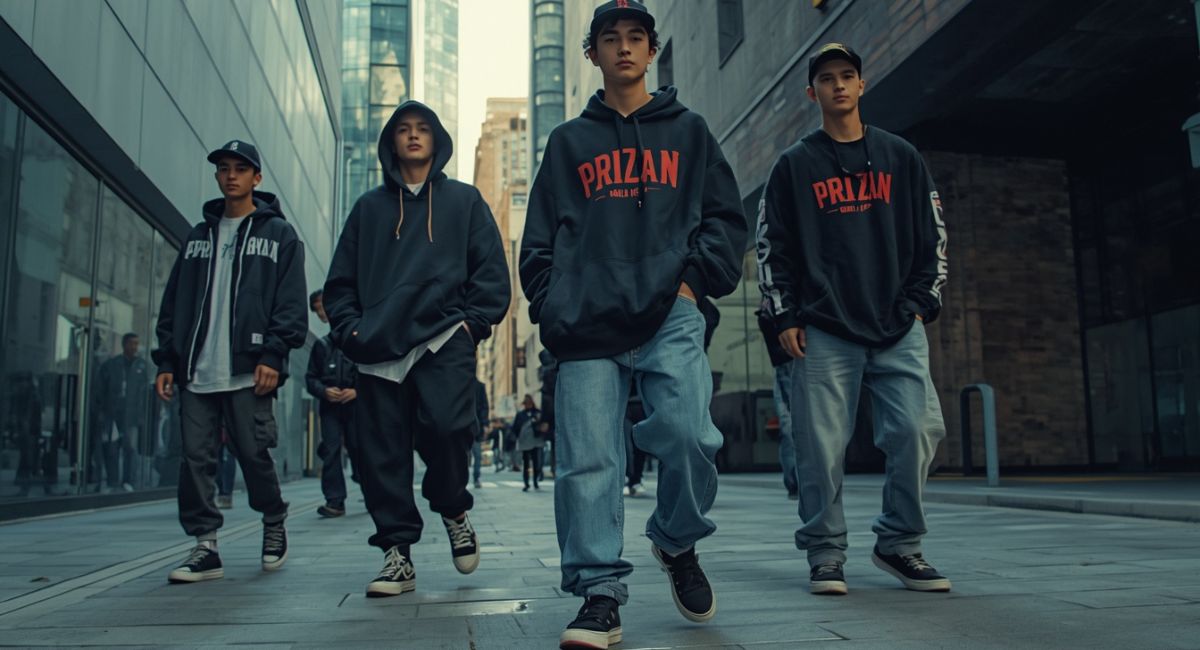
Streetwear is the opposite of traditional old money styling. It is expressive, oversized, and influenced by urban culture, hip-hop, and modern youth trends.
Key elements include:
- loose silhouettes
- bold branding
- graphic designs
- layering
- casual comfort
Streetwear heavily uses:
- oversized t shirt fashion
- oversized sweater fashion
- baggy jeans clothing
- baggy clothing styles
- clothes baggy pants combinations
Unlike old money fashion, streetwear is not about subtle elegance — it is about identity, comfort, and cultural expression. According to Wikipedia’s overview of streetwear fashion, it originated from skate and hip-hop culture and has grown into a mainstream style defined by oversized silhouettes, sneakers, and casual comfort-driven clothing. You can explore its background here: Wikipedia Streetwear Fashion. This evolution has made streetwear a dominant force in youth fashion, particularly through baggy jeans clothing, oversized hoodies, and expressive layering styles.
You can also explore:
- Why Oversized Fashion Became a Trend: Comfort Meets Streetwear Style
- Oversized Streetwear Outfits: Ultimate Street Style Guide That Looks Effortlessly Cool
to understand why this fashion aesthetic is trending and to get outfit inspiration.
Although streetwear has become more accepted in everyday life, most employers still expect professional attire during interviews. Understanding when to choose tailored clothing over casual fashion can make a strong first impression. Our guide on what to wear for a job interview covers outfit recommendations for corporate, business casual, and creative workplaces.
3. Oversized Fashion in Modern Streetwear
One of the biggest drivers of streetwear is oversized fashion, especially among Gen Z and men’s fashion trends.
Popular styles include:
- oversized fashion men outfits
- oversized shirt fashion looks
- oversized sweater fashion layering
- oversized t shirt fashion street looks
- oversized fashion glasses styling
These outfits focus on relaxed proportions rather than fitted tailoring.
Another major trend is:
- baggy jeans clothing
- baggy clothes style outfits
- clothing baggy pants combinations
- baggy clothing streetwear looks
This shift shows how comfort has become a major part of modern fashion identity.
4. Old Money Fashion vs Streetwear: Key Differences
| Feature | Old Money Fashion Style | Streetwear Fashion |
|---|---|---|
| Fit | Tailored, structured | Loose, oversized |
| Colors | Neutral, muted tones | Bold, mixed colors |
| Branding | Minimal or invisible | Visible logos & graphics |
| Mood | Elegant, quiet luxury | Bold, expressive |
| Popular Items | Blazers, polos, loafers | Baggy jeans, hoodies, sneakers |
The contrast between both styles shows two different fashion mindsets — refinement vs expression.
5. Why Baggy Clothing Became So Popular
Streetwear’s rise has been strongly influenced by comfort culture. Modern fashion now prioritizes ease over structure.
Popular items include:
- baggy jeans clothes
- baggy clothing jeans outfits
- oversized hoodies
- relaxed fit trousers
Social media platforms like TikTok and Instagram have also pushed oversized silhouettes as a dominant trend.
Many influencers mix:
- baggy clothing with luxury sneakers
- oversized hoodies with fitted accessories
- streetwear layers with clean basics
This creates a hybrid style that blends comfort with aesthetics.
6. Can Old Money and Streetwear Be Mixed?
Yes — modern fashion is no longer strictly divided.
Many people now combine:
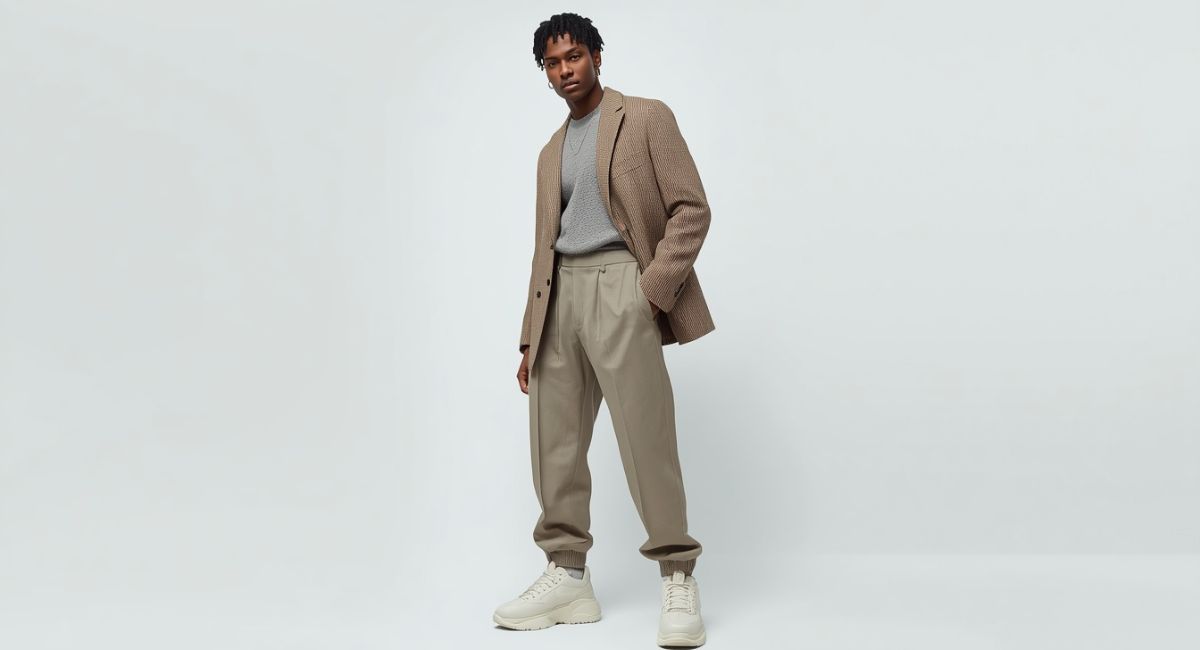
- old money fashion style blazers with sneakers
- oversized sweaters with tailored trousers
- neutral tones with baggy silhouettes
This fusion creates a modern aesthetic often called:
- “quiet streetwear”
- “luxury streetwear”
- “minimal street fashion”
The key is balance — not letting one style overpower the other.
7. Which Style Looks More Expensive?
If the goal is to create expensive looking outfits, old money fashion generally wins because:
- it uses high-quality visual simplicity
- avoids logos and distractions
- relies on structured tailoring
However, streetwear can also look premium when:
- fabrics are high quality
- colors are well coordinated
- silhouettes are intentional
Both styles can look expensive but in different ways.
8. Final Thoughts
The debate between old money fashion style and streetwear fashion is not about which is better — it is about personal expression.
Old money fashion represents timeless elegance and quiet luxury, while streetwear represents modern culture, comfort, and oversized fashion identity.
In today’s fashion world, the best style is often a blend of both. Combining structure with comfort, and simplicity with expression.
9. Frequently Asked Questions
Old money fashion style and streetwear are two very different fashion directions, but both are widely discussed in modern style culture. Below are answers to the most common questions about styling rules, luxury fashion, and streetwear trends.
1. What is the 3-3-3 rule for clothes?
The 3-3-3 rule is a wardrobe styling method where you choose 3 tops, 3 bottoms, and 3 pairs of shoes to create multiple outfit combinations. It helps simplify fashion choices while maintaining variety. This approach works well for both old money fashion style and minimalist streetwear wardrobes because it encourages balance and intentional dressing.
2. Can streetwear be combined with old money?
Yes, streetwear can be combined with old money style fashion to create a modern hybrid aesthetic. For example, pairing oversized fashion men pieces like hoodies or baggy jeans clothing with tailored blazers or neutral coats creates a balanced look. The key is to keep colors muted and avoid overly loud branding so the outfit still feels refined.
3. What are the 5 levels of fashion?
The five levels of fashion usually refer to:
- Basic casual wear
- Streetwear fashion
- Smart casual outfits
- Premium fashion
- Luxury or haute couture
Old money fashion style sits closer to premium and luxury levels, while oversized fashion and baggy clothes style belong more to streetwear and casual categories.
4. Is streetwear a luxury fashion?
Streetwear is not traditionally luxury fashion, but it has evolved. Many luxury brands now produce streetwear-inspired collections, including oversized t shirt fashion, oversized sweater fashion, and designer baggy clothing. This has created a new category called “luxury streetwear,” blending comfort with high-end design.
5. What are the four types of streetwear?
The main types of streetwear include:
- Classic streetwear (hoodies, sneakers, graphic tees)
- Skate streetwear (loose fits, baggy jeans clothes)
- High-fashion streetwear (designer collaborations)
- Minimal streetwear (clean, neutral, modern looks)
Each style uses elements like oversized fashion and relaxed silhouettes but differs in branding and styling approach.
6. What screams quiet luxury?
Quiet luxury is defined by subtle, high-quality fashion without visible branding. It often includes:
- Neutral tones
- Tailored fits
- Expensive looking outfits without logos
- High-quality fabrics
- Minimal accessories
This style is closely connected to old money fashion style, where elegance is shown through simplicity rather than loud design.
7. What makes a woman look wealthy?
A woman often appears more “wealthy” in fashion when she wears:
- clean, well-fitted clothing
- neutral and soft color palettes
- structured silhouettes
- minimal accessories
- polished styling
This is why old money fashion style is often associated with an elegant and expensive appearance, even without luxury branding.
8. What is poverty peacocking?
Poverty peacocking refers to wearing flashy or exaggerated clothing to appear wealthy or high-status, even when the outfit does not reflect real quality. This often includes overly loud branding or mismatched styling. It is the opposite of old money fashion, which focuses on subtle elegance and quiet luxury.
9. What is the Gen Z word for luxury?
Gen Z often uses terms like:
- “quiet luxury”
- “stealth wealth”
- “clean aesthetic”
- “expensive vibes”
These phrases describe fashion that looks premium without obvious branding, which is very similar to old money style fashion trends.