

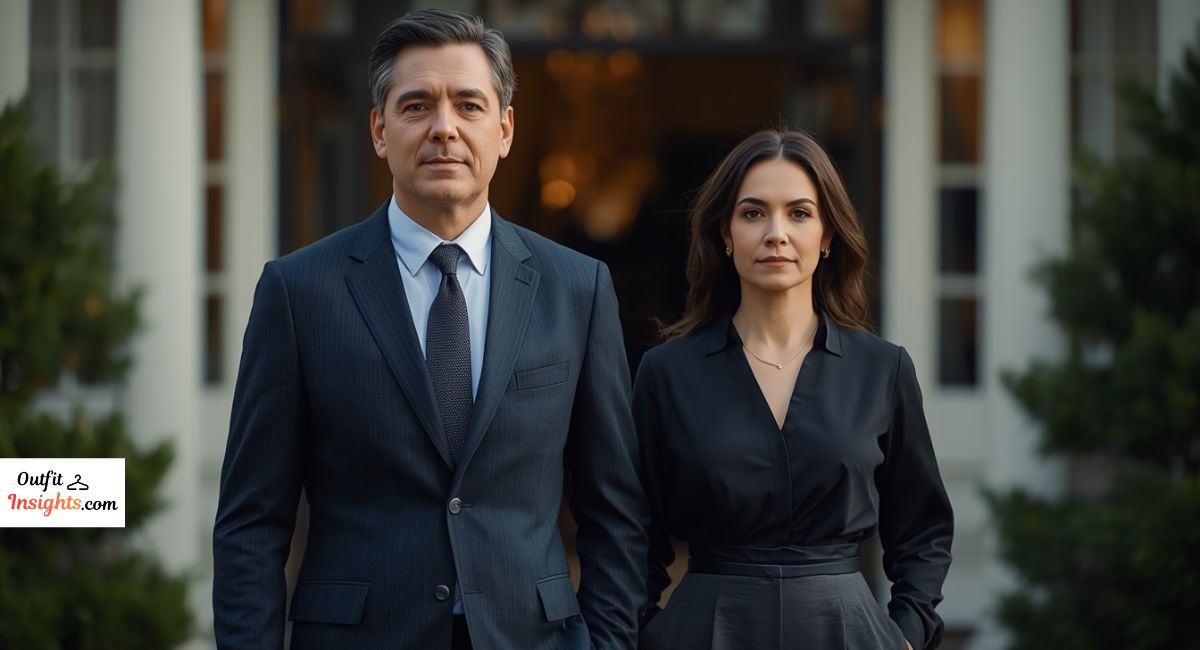
Knowing what to wear to a wake is one of those situations where most people feel genuinely uncertain, and that uncertainty comes from a real place. A wake is not like other formal occasions where the dress code is clearly established and widely understood. It sits at the intersection of grief, cultural tradition, religious practice, and social formality in a way that makes outfit choices feel more loaded and more consequential than they might in other contexts. Getting it wrong feels disrespectful. Overthinking it adds stress to an already emotionally difficult situation.
The reality is that dressing appropriately for a wake comes down to a clear set of principles that, once understood, remove most of the uncertainty. The goal of what you wear to a wake is not to make a personal impression or to express individual style. It is to show respect for the person who has passed, to provide comfort and support to the grieving family, and to honor the solemnity of the occasion through your appearance. Every outfit decision you make should serve these three goals.
This guide covers what to wear to a wake comprehensively, including for women and men separately, for different religious and cultural contexts, for summer wakes, for Jewish funeral visitations, for memorial services, and for every other variation of this occasion you might encounter. It also covers what to absolutely avoid, how to think about color, and the practical considerations that make dressing for a wake different from dressing for any other solemn occasion.
1. Understand What a Wake Actually Is Before Choosing Your Outfit
Before deciding what to wear at a wake, it helps to understand exactly what kind of occasion a wake is and how that shapes appropriate dress expectations, because wakes vary significantly in their formality, setting, and cultural context.
The Traditional Wake
A traditional wake, in its most common Western form, is a gathering held in the presence of the deceased either at a funeral home, a church, or occasionally a private residence in the days before the funeral itself. The purpose is to allow family, friends, and community members to pay their respects, offer condolences to the bereaved family, and spend time honoring the memory of the person who has passed.
Traditional wakes are solemn, formal occasions that typically last several hours and involve a receiving line where guests greet the immediate family directly. The formality of this context means that dress expectations are generally closer to funeral dress than to casual gathering dress.
Funeral Visitation
Funeral visitation is largely synonymous with a wake in contemporary usage, though some families and funeral professionals distinguish between the two. A funeral visitation typically takes place at a funeral home during designated hours before the funeral service itself. The dress expectations are essentially identical to those of a traditional wake — conservative, respectful, and appropriately formal.
Memorial Service
A memorial service differs from a wake in that it typically takes place after burial has occurred and often in the absence of the body. Memorial services can range from highly formal church settings to more casual celebration of life gatherings, and the appropriate dress varies accordingly. As a general rule, dress for the most formal version of the occasion until you have specific information suggesting otherwise.
Celebration of Life
A celebration of life is a more contemporary form of memorial gathering that often intentionally moves away from the solemnity of traditional funeral conventions toward a warmer, more celebratory honoring of the deceased. Some families specifically request that guests not wear black and instead wear colors the deceased loved. When attending a celebration of life, follow any specific guidance from the family and default to smart casual attire in muted, tasteful tones in the absence of specific instructions.
2. The Core Principles of What to Wear to a Wake
Regardless of your gender, the specific religious or cultural context of the wake, or the relationship you had with the deceased, certain foundational principles govern appropriate wake attire universally.
Conservative Formality Is Always Appropriate
The appropriate level of dress for a wake sits at the conservative end of the business formal spectrum. This means clothing that is clearly intentional in its formality, subdued in its color and styling, and free of anything that draws attention to itself. A wake is not an occasion to be fashionable, trendy, or expressive in your personal style. It is an occasion to be respectful, composed, and appropriately serious in your appearance.
When in doubt between two outfit options, always choose the more conservative and more formal of the two. You will never be wrong for appearing too respectfully dressed at a wake. You can absolutely create discomfort or give offense by appearing underdressed or inappropriately casual.
Subdued Colors Are the Standard
The color conventions for wake attire exist for a reason and are worth respecting even in contemporary contexts where strict black dress codes are less universally enforced. Dark, muted, subdued tones communicate the solemnity of the occasion and show respect for the grief of the family. Black remains the most universally appropriate and most commonly worn color for wakes and funeral visitations across most Western cultural contexts.
Navy, charcoal grey, deep burgundy, dark forest green, and muted brown are all acceptable alternatives to black for wake attire. What all of these colors share is a subdued, serious quality that honors the gravity of the occasion without drawing attention to the wearer.
Avoid Anything Attention-Grabbing
A wake is not about you. Clothing that draws attention, that makes a fashion statement, that is visually loud, or that in any way centers the wearer rather than the occasion is inappropriate regardless of how tasteful it might be in other contexts. This applies to color, pattern, accessories, fit, and styling choices equally.
3. What to Wear to a Wake as a Woman
What to wear to a funeral ladies is a question that comes with more specific considerations than men face, primarily because women have more clothing options available and therefore more potential for choices that straddle the line between appropriate and inappropriate for a solemn occasion.
Dresses and Skirts
A conservative dress or skirt in a dark, subdued color is the most traditional and most universally appropriate choice for women attending a wake. The dress or skirt should fall at or below the knee — midi and maxi lengths are both appropriate and provide a particularly respectful level of coverage for the formality of the occasion. Anything significantly above the knee is not appropriate for a wake regardless of how the garment is otherwise styled.
The neckline of any dress or top should be modest and conservative. A closed neckline, boat neck, or modest V-neck is appropriate. Low cut or revealing necklines are not appropriate for wake attire under any circumstances.
A wrap dress, a simple sheath dress, or a modest A-line dress in black, navy, or charcoal are all strong choices. These silhouettes are flattering across a wide range of body types, move comfortably through the extended standing and sitting that a wake involves, and photograph appropriately in the conservative context of a funeral home or church setting.
Trousers and Suits
A tailored pantsuit or dress trousers with a conservative blouse are equally appropriate alternatives to dresses and skirts for women attending a wake. Many women feel most comfortable and most composed in a trouser-based outfit, and a well-fitted pantsuit in black or charcoal communicates the appropriate level of formality without any compromise on respect or appropriateness.
The blouse worn with dress trousers should be conservative in its neckline and color, well-fitted, and tucked in or hemmed cleanly. Avoid anything sheer, anything with decorative details that draw attention, and anything in a bright or attention-grabbing color.
Cardigans, Blazers, and Cover Ups
A cardigan, blazer, or structured wrap layered over a dress or blouse serves multiple purposes at a wake. It adds a layer of conservative coverage that is appropriate for the formality of the occasion, provides comfort in the often cold environment of funeral homes, and creates a polished, put-together appearance that honors the seriousness of the event.
For women who own a sleeveless dress that is otherwise appropriate in color and length, adding a blazer or cardigan makes it suitable for wake attire in most contexts. The layering piece should be in a compatible, equally conservative color.
Shoes and Accessories for Women
Closed-toe shoes in dark leather or suede are the most appropriate footwear for a wake. Low heels, block heels, or conservative flats all work well. Very high stiletto heels can create noise on hard funeral home floors that draws unwanted attention in a quiet, solemn setting. Practical, comfortable footwear matters because wakes involve extended periods of standing in receiving lines and moving through crowded rooms.
Jewelry should be minimal, simple, and understated. Small stud earrings, a simple pendant necklace, and a watch are all appropriate. Bold, statement jewelry, anything that makes noise when you move, and brightly colored accessories are all inappropriate for a wake. A small dark or neutral handbag is appropriate. Avoid brightly colored bags that draw visual attention.
4. What to Wear to a Wake as a Man
What to wear to a funeral man involves clearer and more established conventions than women face, but the choices still require genuine thought and appropriate care for the specific formality demands of wake attire.
The Suit
A well-fitted dark suit is the most appropriate and most respectful choice for men attending a wake or funeral visitation. Black, charcoal grey, and dark navy are the most appropriate suit colors for this context. A dark suit communicates formality, respect, and an awareness of the gravity of the occasion in a way that more casual alternatives cannot fully replicate.
The suit should be well-fitted, well-pressed, and in good repair. Pair it with a white or pale grey dress shirt and a conservative dark tie in black, charcoal, or deep navy. The tie should be solid or subtly patterned — nothing bright, bold, or visually attention-grabbing. A dark pocket square is an optional addition that adds a touch of polish without drawing attention.
Dress Shirt and Trousers Without a Suit
For men who do not own a suit or for whom a suit would be disproportionately formal relative to the specific wake being attended, a well-fitted dark dress shirt or pale dress shirt with tailored dark trousers is an acceptable alternative. The overall impression should still be clearly formal and conservative — not casual, not business casual in the relaxed sense of the term, but deliberately dressed for a solemn occasion.
A dark blazer over a dress shirt provides a middle ground that is more formal than shirt and trousers alone while stopping short of a full suit. This combination is widely accepted for wake attire in most contemporary Western contexts.
What Men Should Never Wear to a Wake
Jeans of any color, athletic wear, casual shirts without collars, shorts, graphic t-shirts, loud patterned shirts, athletic shoes, and any clothing that reads as casual, leisure, or everyday wear is never appropriate for a wake. The formality of the occasion demands a level of dress that demonstrates active respect for the grieving family and for the person being honored.
5. What to Wear to a Jewish Funeral or Wake
What to wear to a Jewish funeral visitation follows the same general principles of conservative, respectful, subdued dress that govern all wake and funeral attire, with a few specific considerations rooted in Jewish mourning traditions.
Modesty Requirements
Jewish mourning traditions, particularly in more observant communities, place a strong emphasis on modesty in dress at funeral and shiva contexts. For women, this means fully covering the arms to at least the elbow, wearing skirts or dresses that fall well below the knee, and choosing necklines that are fully modest and conservative. A blazer or cardigan over a modest dress is appropriate and welcomed in these contexts.
For men attending a Jewish funeral or wake in a more observant community, a suit is strongly recommended. Some synagogues and conservative communities expect men to wear a kippah during the service or visitation period, and disposable kippot are typically made available at the entrance for guests who do not have their own.
The Shiva Visit
The shiva is the Jewish mourning period that follows burial, during which the bereaved family receives visitors at home over several days. The dress expectations for a shiva visit are somewhat less formal than for the funeral service itself but still call for conservative, respectful attire. Business casual in dark or muted tones is appropriate for shiva visits. Jeans are generally not appropriate for shiva in traditional observant communities, though some more contemporary families are more relaxed about this.
Colors for Jewish Funeral Attire
Black is universally appropriate for Jewish funeral and mourning contexts. Dark navy, charcoal, and deep grey are also appropriate. The same color principles that apply to Western wake attire apply in Jewish mourning contexts — subdued, dark, and conservative.
6. What to Wear to a Summer Wake or Funeral Visitation
What to wear to a summer funeral or summer wake presents a specific practical challenge that many people struggle with. The expectation of conservative, dark, formal attire conflicts directly with the practical realities of summer heat, outdoor settings, and warm weather conditions that can make heavy dark clothing genuinely uncomfortable.
Balancing Respect With Practicality
The solution to summer wake dressing is not to abandon the principles of conservative, subdued attire but to apply those principles using lighter fabrics and summer-appropriate weights rather than heavy winter materials. Dark colors in breathable fabrics are both respectful and practical.
A black or navy dress in lightweight crepe, cotton, or chiffon is significantly more comfortable in summer heat than the same dress in a heavy wool or structured fabric while being equally appropriate in terms of color and style. The fabric does the practical work of keeping you comfortable without compromising the visual respectfulness of the color and silhouette choices.
Appropriate Colors for Summer Wakes
While dark colors remain the most appropriate choice for summer wakes, there is somewhat more flexibility in color choice during warmer months, particularly for memorial services and celebrations of life. Muted, dusty tones — pale grey, soft taupe, dusty mauve, and washed linen tones — can be appropriate for summer memorial gatherings when worn in conservative silhouettes and when the gathering itself is less formally structured than a traditional funeral home visitation.
For traditional summer wake settings in funeral homes or churches, stick to the same dark, subdued color principles that apply year-round and address the heat through fabric choice rather than color choice.
Lighter Fabrics That Still Look Appropriate
| Fabric | Appropriate for Summer Wake | Notes |
|---|---|---|
| Lightweight crepe | Yes | Drapes beautifully, breathable |
| Cotton voile | Yes with lining | Sheer versions need lining |
| Chiffon | Yes for layering | Best as overlay or layer |
| Linen | Yes | Wrinkles easily, press carefully |
| Light jersey | Yes | Comfortable and drape-friendly |
| Heavy wool | No | Too warm for summer |
| Velvet | No | Winter fabric only |
| Satin | No | Too formal and reflective |
For general guidance on how to dress appropriately for formal occasions in warm weather while maintaining a polished appearance, our guide on How to Look Good in Professional Photos: 12 Proven Tips covers fabric and color principles that apply directly to summer formal dressing.
7. What to Wear to a Memorial Service
A memorial service occupies a range of formality levels that is wider than either a traditional wake or a funeral, and understanding where on that spectrum the specific memorial service you are attending falls is the first step in appropriate outfit planning.
Formal Memorial Services
Formal memorial services held in churches, synagogues, mosques, or other religious institutions follow essentially the same dress code as a traditional wake or funeral service. Conservative, dark, formal attire is appropriate and expected. The religious setting adds an additional layer of modesty expectation that should inform choices around neckline, hemline, and coverage.
For memorial services in religious buildings of faiths other than your own, doing brief research into the specific modesty expectations of that tradition before choosing your outfit is a respectful gesture. Most religious traditions expect covered shoulders and modest hemlines for both men and women in formal mourning contexts, and meeting these expectations demonstrates cultural awareness and genuine respect.
Casual Memorial Services and Celebrations of Life
More casual memorial gatherings — backyard celebrations of life, informal gatherings at a family home, or events where the deceased specifically requested an informal atmosphere — allow for a somewhat less formal dress approach. Smart casual attire in muted, respectful tones is appropriate in these contexts.
Even in the most casual memorial settings, completely informal clothing like jeans and t-shirts communicates a lack of respect for the occasion and the grieving family. Smart casual means a step above your everyday clothing, even if it does not reach the level of formal wear expected at a funeral home visitation.
When Families Request Specific Colors
Some families request that guests wear specific colors to a memorial service — often colors that the deceased particularly loved, or a specific color like white that represents celebration of life in some cultural traditions. When a family makes this request, honoring it is itself an act of respect and consideration. Follow the specific guidance and interpret it within the bounds of appropriateness for the occasion.
8. What Colors Are Appropriate for a Wake
Color choice for wake attire follows well-established conventions that exist for meaningful reasons and are worth understanding rather than simply following as arbitrary rules.
Black
Black is the most universally appropriate and most widely worn color for wakes, funeral visitations, and memorial services across Western and many other cultural contexts. It is appropriate in virtually every wake or funeral setting regardless of the religious tradition, the cultural background of the family, or the formality level of the gathering. When in doubt about what color to wear to a wake, black is always the safe and respectful choice.
Dark Neutrals
Dark navy, charcoal grey, dark grey, and deep brown are all appropriate alternatives to black for wake attire. They carry the same visual quality of subdued seriousness that black communicates while allowing for slightly more flexibility in your wardrobe choices. These colors work particularly well for wakes where you want to be respectful without wearing full black.
Muted Tones
Deep burgundy, forest green, and dusty mauve are acceptable in some wake contexts, particularly for women in tailored, conservative silhouettes. These colors are subdued enough to honor the formality of the occasion while allowing for some personal expression within appropriate boundaries. They are more appropriate for memorial services and celebrations of life than for traditional funeral home visitations.
Colors to Avoid
Bright colors — neon, vivid red, bright orange, electric blue, hot pink — are never appropriate for wake attire regardless of context. They draw visual attention to the wearer in a setting where drawing attention is inherently disrespectful. White and cream are generally avoided in Western wake contexts as they are associated with celebration and bridal occasions rather than mourning, though they may be appropriate in some Asian cultural funeral traditions where white is the mourning color.
Wake Attire Color Guide
| Color | Appropriate for Wake | Notes |
|---|---|---|
| Black | Always appropriate | Universally respectful choice |
| Dark navy | Yes | Strong alternative to black |
| Charcoal grey | Yes | Conservative and appropriate |
| Dark grey | Yes | Appropriate in all contexts |
| Deep burgundy | Yes for women | Conservative cut required |
| Forest green | Yes with care | Tailored silhouette required |
| White | Avoid in Western contexts | Appropriate in some Asian traditions |
| Pastels | No | Too light and celebratory |
| Bright colors | Never | Always inappropriate for wakes |
| Neon | Never | Completely inappropriate |
Understanding how colors communicate different emotional and social signals is something our guide on What Colors Attract People’s Attention Most? Color Psychology for Stunning Photos explores in depth, and the principles of color communication it covers apply directly to understanding why certain colors are appropriate for solemn occasions and others are not.
9. What to Absolutely Avoid Wearing to a Wake
Knowing what not to wear to a wake is as practically important as knowing what works. Several choices are so consistently inappropriate that they deserve explicit and direct mention.
Bright colors and bold patterns are never appropriate for wake attire. They draw visual attention to the wearer in a context where the focus should be entirely on honoring the deceased and supporting the grieving family. A bold floral print, a brightly colored dress, or a loudly patterned shirt communicates a disregard for the solemnity of the occasion that is deeply inappropriate regardless of intent.
Revealing clothing in any form is not appropriate for a wake. Low necklines, very short hemlines, tight form-fitting silhouettes, and anything sheer or transparent are all inappropriate regardless of how fashionable they might be in other contexts. A wake demands a level of modesty that reflects respect for the occasion.
Casual clothing — jeans, athletic wear, graphic t-shirts, hoodies, shorts, casual sandals — communicates a failure to acknowledge the formality and seriousness of the occasion. Even well-intentioned attendance at a wake is undermined by casual dress that suggests the occasion did not warrant thoughtful preparation.
Very strong perfume or cologne is worth mentioning even though it is not strictly a clothing consideration, because funeral homes and wake settings are often intimate, enclosed spaces where the grief of those present can make strong scents physically and emotionally overwhelming. Choose minimal or no fragrance for a wake.
Ostentatious jewelry, expensive statement accessories, and anything that draws attention to your personal wealth or status is inappropriate for a wake. The occasion calls for anonymity and humility rather than personal display.
For a broader understanding of how clothing choices affect the impressions you create in formal and sensitive social contexts, our guide on How to Pose for Pictures Naturally (2026): Stop Looking Awkward in Photos covers how physical presentation and composure interact with clothing choices to create overall impressions in formal settings.
10. How to Prepare Your Wake Outfit in Advance
Preparing your wake outfit in advance removes the stress of last-minute decisions during an emotionally difficult time and ensures that your appearance honors the occasion appropriately.
As soon as you learn of a wake or funeral visitation that you will be attending, set aside your complete outfit immediately rather than leaving the decision to the morning of the event. Check every garment for any issues — stains, loose buttons, broken zippers, visible wear — that would compromise its appearance. Address any pressing or cleaning needs immediately.
Press or steam your complete outfit the evening before the wake. Wrinkled or poorly maintained clothing undermines the respectful impression that careful dress choices are meant to create. A freshly pressed dark dress or suit communicates care and intentionality in the same way that the choice of color and silhouette does.
Try on the complete outfit including shoes and ensure everything fits correctly and comfortably. Wake attendance involves extended standing in receiving lines, navigating crowded spaces, and often sitting for extended periods during a service. Your outfit and footwear need to accommodate all of this without requiring adjustment or creating physical discomfort that draws your attention away from the purpose of being there.
11. Cultural Variations in Wake and Funeral Attire
Wake and funeral dress codes vary significantly across cultural and religious traditions, and being aware of these variations helps you dress respectfully when attending services outside your own cultural background.
Western Christian Traditions
The dominant dress expectation across Western Christian funeral and wake contexts is dark, conservative, formal attire with black as the most appropriate color. Catholic wake services, Protestant funeral visitations, and non-denominational memorial services all follow these general principles with relatively minor variations in specific formality level.
Jewish Mourning Traditions
As covered in section five, Jewish mourning contexts emphasize modesty alongside the standard conservative formality of Western funeral dress. The shiva period following burial has slightly more relaxed dress expectations than the funeral service itself but still calls for respectful, conservative attire.
South Asian Traditions
In Hindu funeral traditions, white is the traditional mourning color rather than black. Attending a Hindu funeral or wake in white or very light tones is culturally appropriate and respectful, while wearing black may be considered inappropriate in some traditional Hindu contexts. Research the specific tradition of the family before attending a funeral or wake outside your own cultural background.
African American Church Traditions
African American funeral traditions, particularly those rooted in Baptist and other Protestant church denominations, often involve a high level of formality and ceremony in both the service itself and the dress expectations. Sunday-best attire in dark, conservative tones is the appropriate standard. Women often wear hats as a traditional element of church funeral dress, and this tradition is widely respected and practiced.
When You Are Unsure of the Cultural Context
When you are attending a wake or funeral in a cultural tradition you are not personally familiar with, the safest approach is to dress at the most conservative and formally respectful level available to you in dark, subdued tones and to research any specific modesty or color requirements specific to that tradition before attending. When in genuine doubt, contacting a mutual friend or family member who is familiar with the tradition for guidance is always an appropriate and considerate step.
FAQs: What to Wear to a Wake
Wake and funeral visitation dress questions consistently center on the same practical and cultural concerns. The following answers address the most frequently asked questions directly and honestly.
1. What is the most appropriate thing to wear to a wake?
A dark, conservative, well-fitted outfit in black, navy, or charcoal grey is the most universally appropriate choice for a wake across virtually all Western cultural and religious contexts. For women, a knee-length or longer dress or tailored separates in a dark color. For men, a dark suit with a white dress shirt and conservative tie. The key qualities are subdued color, conservative silhouette, and a level of formality that demonstrates respect for the occasion.
2. Do you have to wear black to a wake?
Black is the most universally appropriate color but is not strictly required in all contexts. Dark navy, charcoal grey, and deep muted tones are all acceptable alternatives. Some families specifically request colors other than black for celebrations of life or culturally specific memorial services. In the absence of specific guidance from the family, dark and subdued is always the appropriate default.
3. What should a woman wear to a funeral visitation?
A woman attending a funeral visitation should wear a conservative dress or skirt at knee length or below, or a tailored pantsuit, in a dark subdued color. The neckline should be modest, the silhouette should not be form-fitting or revealing, and shoes should be closed-toe and comfortable for extended standing. Jewelry should be minimal and understated. A blazer or cardigan adds appropriate coverage and polish.
4. What should a man wear to a wake?
A man attending a wake should wear a well-fitted dark suit in black, charcoal, or navy with a white or pale dress shirt and a conservative dark tie. If a full suit is not available, dark dress trousers with a dark blazer and a dress shirt is an acceptable alternative. Shoes should be clean, polished leather dress shoes. Avoid jeans, casual shirts, and anything that reads as informal or everyday wear.
5. What do you wear to a Jewish funeral wake?
For a Jewish funeral or wake, follow the same conservative dark formal dress principles that apply to Western funeral attire, with additional attention to modesty requirements. Women should cover their arms to the elbow at minimum, wear skirts or dresses well below the knee, and choose fully modest necklines. Men should wear a dark suit and be prepared to wear a kippah during the service. Research any specific requirements of the community before attending.
6. What should you wear to a summer wake?
For a summer wake, maintain the same principles of dark, conservative, respectful attire but apply them using breathable, lightweight fabrics rather than heavy winter materials. A black or navy dress in lightweight crepe, cotton, or chiffon is both respectful and practical in warm weather. Address the heat through fabric choice rather than by lightening your color palette or reducing coverage.
7. Is it okay to wear navy or grey to a wake instead of black?
Yes, dark navy and charcoal grey are both completely appropriate alternatives to black for wake attire. They carry the same quality of subdued seriousness that makes black the traditional mourning color and are widely accepted across most Western wake and funeral contexts. The key is choosing deep, dark versions of these colors rather than lighter, brighter variations.
8. What should you never wear to a wake?
Bright or neon colors, bold patterns, revealing or form-fitting clothing, very short hemlines, casual wear including jeans and athletic clothing, graphic t-shirts, and ostentatious jewelry or accessories are never appropriate for a wake. Anything that draws visual attention to the wearer, reads as casual, or suggests that the occasion did not warrant thoughtful preparation is inappropriate regardless of the specific wake context.
Dressing appropriately for a wake is one of the most meaningful ways you can show respect for the family of the deceased and for the gravity of the occasion during an emotionally vulnerable time. As noted by the Emily Post Institute, appropriate funeral and wake attire remains one of the most widely observed and most deeply felt expressions of condolence etiquette — a reflection of how fundamentally appearance communicates care and respect in moments of grief. The effort you invest in choosing and preparing the right outfit is never lost on those who are grieving.